







 Book an appointment
PERIODONTITIS DURING PREGNANCY – POTENTIAL RISKS EXPECTANT MOTHERS SHOULD NOT OVERLOOK
 Posted date: 09/10/2026
 Posted by: Nông Đức Thắng


Quick view of main content
Why Are Pregnant Women More Susceptible to Gum Disease?
How Can Periodontitis Affect Pregnancy?
How Can Pregnant Women Prevent Periodontitis?
Proactive Oral Healthcare – Supporting a Healthy Pregnancy Journey
CONTACT INFORMATION
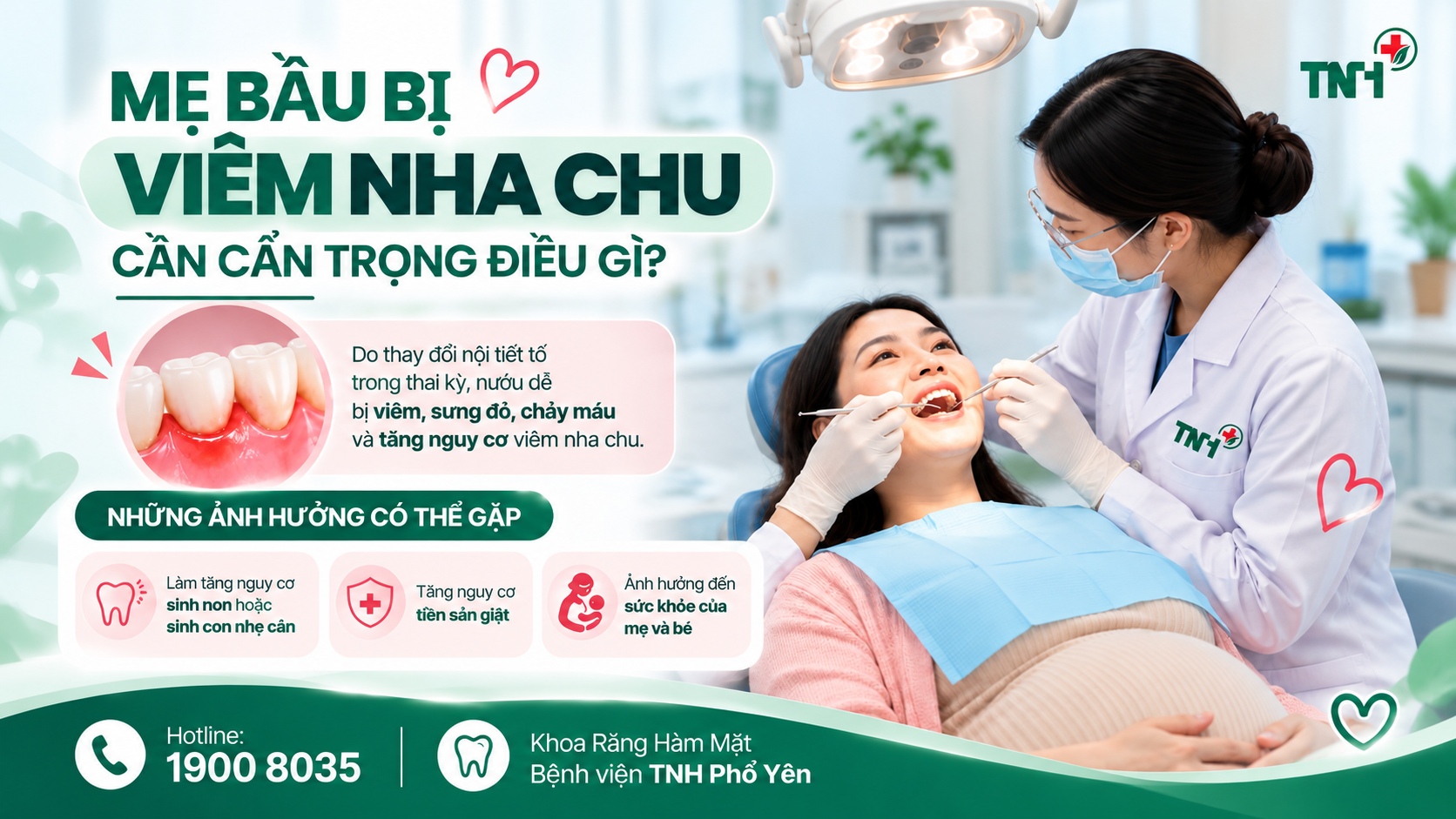
Throughout pregnancy, in addition to maintaining a balanced diet, getting adequate rest, and attending regular prenatal check-ups, expectant mothers should also pay special attention to their oral health. Symptoms that may seem minor, such as swollen gums, gum pain, or bleeding while brushing, can be warning signs of gum disease, including periodontitis. If left undetected and untreated, these conditions may affect the mother's oral health and have been associated with certain adverse pregnancy outcomes.
Why Are Pregnant Women More Susceptible to Gum Disease?
During pregnancy, a woman's body undergoes significant hormonal changes, particularly increases in estrogen and progesterone levels. These changes can make gum tissue more sensitive to bacterial plaque, intensify inflammatory responses, and increase the likelihood of developing gum problems.
Common symptoms include red, swollen, tender, or painful gums that may bleed easily during brushing or flossing. These can be signs of pregnancy gingivitis, a relatively common condition among expectant mothers.
If inflammation is not properly managed, particularly when plaque and tartar continue to accumulate, gum disease may progress or worsen existing periodontal conditions.
Periodontitis is an inflammatory disease that affects the tissues supporting the teeth, including the gums, periodontal ligaments, and alveolar bone. As the disease progresses, patients may experience gum recession, bone loss around the teeth, periodontal pocket formation, tooth mobility, and even tooth loss in severe cases.
How Can Periodontitis Affect Pregnancy?
Beyond its impact on oral health, periodontal disease during pregnancy has attracted considerable attention in maternal and child healthcare.
Numerous studies have identified associations between periodontitis in pregnant women and certain adverse pregnancy outcomes, including:
- Preterm birth: Delivery occurring before 37 completed weeks of pregnancy.
- Low birth weight: Infants born weighing less than 2,500 grams.
- Preeclampsia: A pregnancy complication associated with high blood pressure that can seriously affect the health of both mother and baby.
However, it is important to emphasize that an association observed in scientific studies does not necessarily mean that periodontitis directly causes these complications. Current scientific evidence has not established that treating periodontitis during pregnancy can prevent preterm birth, low birth weight, or preeclampsia.
Nevertheless, early detection and appropriate treatment of periodontal disease remain essential for protecting oral health, controlling persistent inflammation, and improving the quality of life of expectant mothers.
How Can Pregnant Women Prevent Periodontitis?
Proper oral healthcare during pregnancy is essential for preventing and managing gum disease. To maintain healthy teeth and gums, expectant mothers are encouraged to follow these recommendations:
Maintain good daily oral hygiene: Brush teeth at least twice a day using fluoride toothpaste and a soft-bristled toothbrush. Clean between the teeth regularly using dental floss or other appropriate interdental cleaning tools to reduce bacterial plaque accumulation.
Do not ignore unusual symptoms: Persistent gum swelling, redness, pain, frequent bleeding, or gum recession should prompt a dental examination for proper assessment and treatment.
Attend regular dental check-ups: Routine dental examinations help identify potential problems affecting the teeth and gums at an early stage, allowing timely preventive care and treatment.
Undergo professional teeth scaling and periodontal treatment when indicated: Essential dental procedures, including professional teeth cleaning and periodontal treatment, can generally be performed safely during pregnancy when appropriately assessed and recommended by a dentist.
In addition, pregnant women should inform their dentist about their stage of pregnancy, overall health condition, medications currently being taken, and any relevant obstetric concerns to ensure that the most appropriate treatment plan is selected.
Proactive Oral Healthcare – Supporting a Healthy Pregnancy Journey
Oral health is an integral part of comprehensive healthcare during pregnancy. Proactive dental examinations, early detection, and effective management of gum disease not only help expectant mothers maintain proper chewing function and reduce daily discomfort but also contribute to better overall maternal healthcare.
At the Department of Odonto-Stomatology – TNH Pho Yen Hospital, expectant mothers can receive dental examinations, oral health assessments, and personalized recommendations for preventive care and treatment appropriate to each stage of pregnancy.
Do not wait until persistent tooth pain develops before visiting a dentist. Taking care of oral health from the early stages of pregnancy is a practical way for expectant mothers to maintain their well-being and enjoy greater peace of mind as they prepare to welcome their babies.
CONTACT INFORMATION
TNH HOSPITAL GROUP JOINT STOCK COMPANY
Department of Odonto-Stomatology – TNH Pho Yen Hospital
Hotline: 1900 8035
Website: https://tnh.com.vn
TNH Hospital Network:
- TNH Pho Yen Hospital: Tran Nguyen Han Street, Truong Thinh Residential Area, Van Xuan Ward, Thai Nguyen Province, Vietnam.
- TNH Lang Son Hospital: Block 10, Nhi Thanh Street, Tam Thanh Ward, Lang Son Province, Vietnam.
- Thai Nguyen International Hospital: No. 328 Luong Ngoc Quyen Street, Phan Dinh Phung Ward, Thai Nguyen Province, Vietnam.
- TNH Viet Yen Hospital: Nguyen The Nho Street, Viet Yen Ward, Bac Ninh Province, Vietnam.