







 Book an appointment
VÌ SAO PHỤ NỮ SAU SINH DỄ BỊ LOÃNG XƯƠNG?
 Posted date: 14/03/2026
 Posted by: Nông Đức Thắng

Quick view of main content
WHY ARE WOMEN MORE PRONE TO OSTEOPOROSIS AFTER GIVING BIRTH?
1. Calcium and Vitamin D Deficiency
2. Breastfeeding Increases Calcium Loss
3. Postpartum Hormonal Changes
COMPLICATIONS OF OSTEOPOROSIS
HOW TO PREVENT OSTEOPOROSIS AFTER CHILDBIRTH
OSTEOPOROSIS TREATMENT AT TNH PHO YEN HOSPITAL
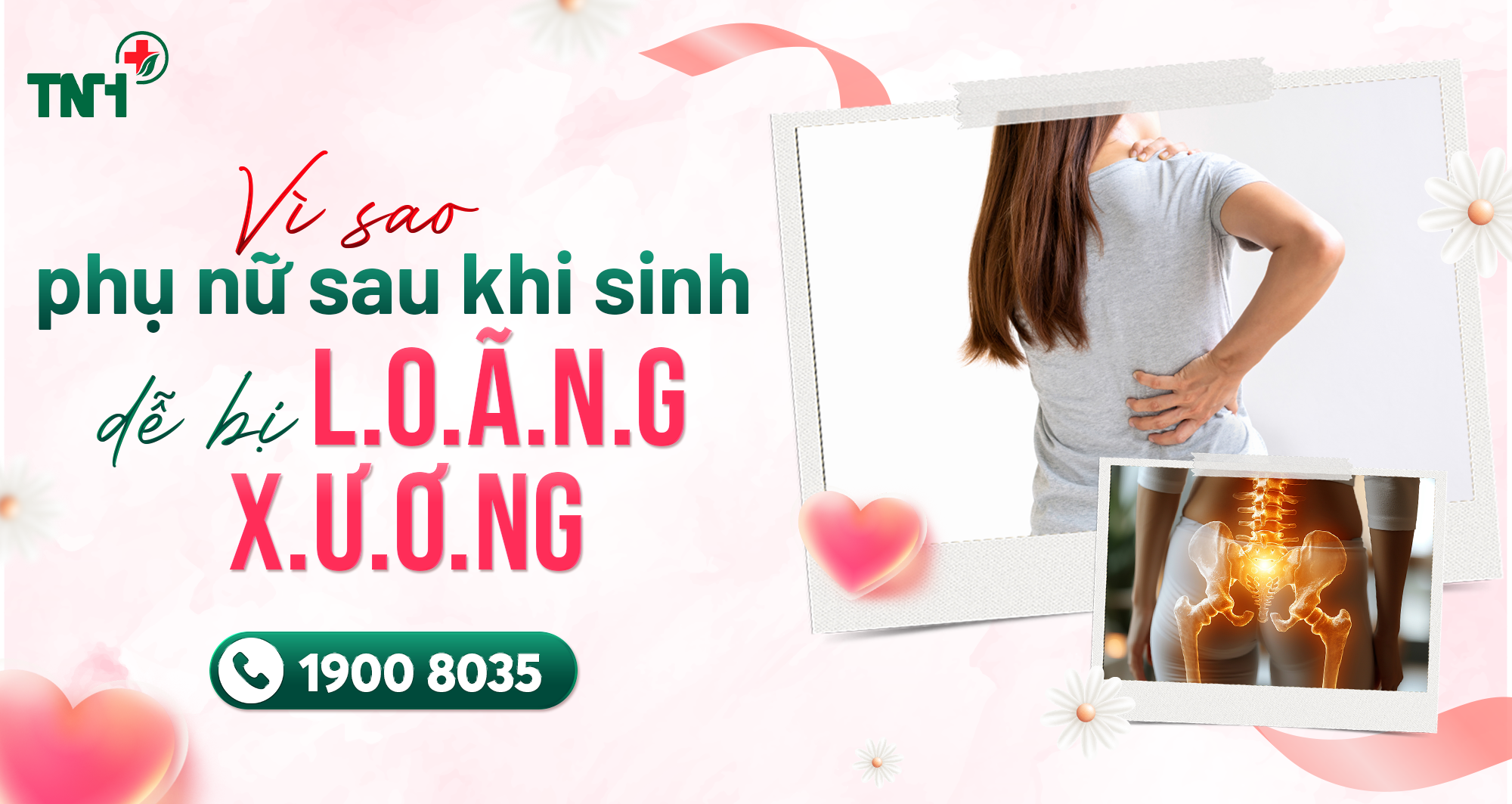
WHY ARE WOMEN MORE PRONE TO OSTEOPOROSIS AFTER GIVING BIRTH?
After childbirth, a woman’s body undergoes many significant changes in hormones and nutrition. This is also a period when many women may experience a decline in bone density if proper care and nutrition are not maintained. In reality, osteoporosis is not only a condition that occurs in middle age; it can also appear in young women after childbirth, especially in those who have multiple pregnancies, closely spaced births, or inadequate nutrition.
1. Calcium and Vitamin D Deficiency
During pregnancy, especially in the last three months, the fetus requires a large amount of calcium to develop its skeletal system. If the mother does not receive adequate calcium and vitamin D through her diet or supplements, the body will draw calcium from the mother’s bones to supply the baby. Over time, this can lead to reduced bone density in the mother.
2. Breastfeeding Increases Calcium Loss
Breast milk contains a high level of calcium to support the baby’s growth and development. When mothers exclusively breastfeed, they continue to lose a considerable amount of calcium each day. Without a balanced and nutrient-rich diet, particularly one rich in calcium, bone density may decline more rapidly.
3. Postpartum Hormonal Changes
After childbirth, estrogen levels decrease significantly. Estrogen is a hormone that plays an important role in protecting and maintaining bone health. When estrogen levels drop, the process of bone breakdown may occur faster than bone formation, increasing the risk of osteoporosis.
COMPLICATIONS OF OSTEOPOROSIS
If osteoporosis is not detected and treated early, it can lead to several health problems and negatively affect quality of life, such as:
- Increased risk of fractures even with minor impacts
- Persistent back pain, joint and bone discomfort, and reduced height
- Long-term effects on mobility and daily activities
- In older adults, osteoporosis may lead to prolonged immobility, resulting in serious complications such as pneumonia, limb embolism, or tissue necrosis
HOW TO PREVENT OSTEOPOROSIS AFTER CHILDBIRTH
To protect bone health after giving birth, women should consider the following measures:
- Consume foods rich in calcium and vitamin D such as milk, small fish eaten with bones, shrimp, and dark green vegetables
- Limit the use of stimulants
- Engage in gentle physical activity after childbirth while avoiding heavy work, staying up late, or prolonged stress
- Check bone density if symptoms appear or if you belong to a high-risk group
OSTEOPOROSIS TREATMENT AT TNH PHO YEN HOSPITAL
For patients diagnosed with osteoporosis or significant bone density loss, specialized medical treatment is necessary.
At TNH Pho Yen Hospital, intravenous infusion therapy for osteoporosis treatment is routinely implemented and offers several advantages:
- Only one intravenous infusion per year, eliminating the need to remember daily medication and reducing the risk of incorrect use
- Helps increase bone density, strengthen bones, and significantly reduce the risk of fractures and vertebral compression
- Suitable for patients with stomach conditions, reflux, intolerance to oral medication, or those who cannot sit or stand for long periods
- Improves mobility and helps patients perform daily activities more comfortably
📞 For consultation and appointment booking, please contact the hotline: 1900 8035.