






 Book an appointment
Neonatal Jaundice: Delayed Treatment Can Lead to Serious Complications
 Posted date: 17/07/2026
 Posted by: Nông Đức Thắng

Quick view of main content
Why Can Neonatal Jaundice Be Dangerous?
Early Treatment Helps Prevent Serious Complications
Care During Phototherapy
What Parents Should Know
When Should You Seek Medical Care?
Comprehensive Newborn Care at TNH Pho Yen Hospital
TNH HOSPITAL GROUP JOINT STOCK COMPANY
Our Hospital Network
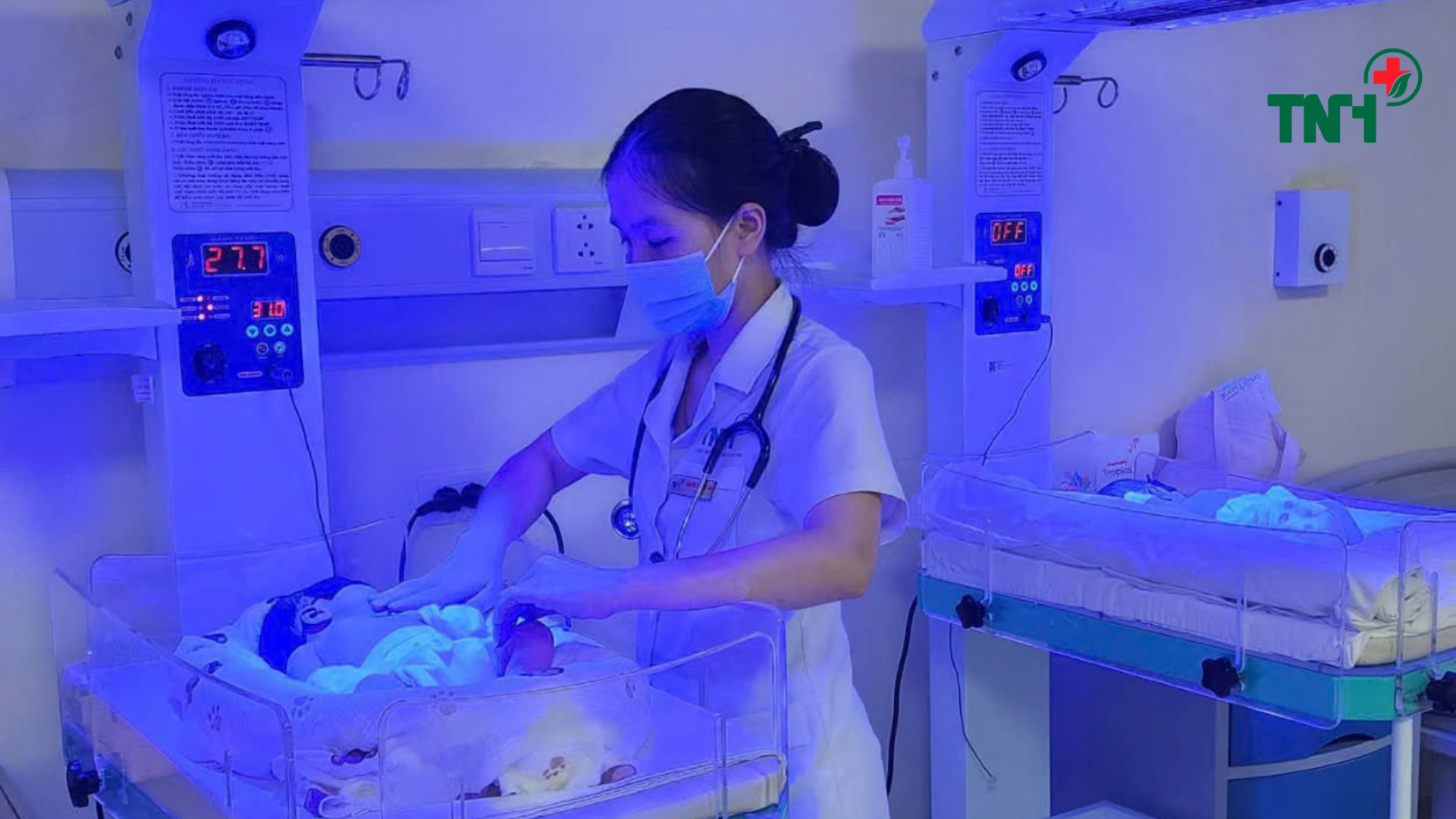
Neonatal jaundice is a common condition that affects many newborns during the first few days of life. In most cases, it is physiological jaundice that resolves on its own. However, when bilirubin levels in the blood become excessively high or jaundice persists without timely detection and treatment, serious complications may occur, potentially affecting a child's long-term health and development.
Why Can Neonatal Jaundice Be Dangerous?
Bilirubin is a yellow pigment produced during the normal breakdown of red blood cells. When bilirubin accumulates excessively in a newborn's bloodstream, it can cross into the brain and cause kernicterus (bilirubin-induced neurological dysfunction)—a severe and potentially life-threatening complication.
Without prompt treatment, kernicterus may result in:
- Permanent brain damage
- Hearing loss
- Developmental delay and intellectual disability
- Movement disorders
- In severe cases, life-threatening complications
One of the greatest concerns is that early symptoms are often subtle. Babies may simply appear jaundiced, feed poorly, or sleep more than usual, making it easy for parents to overlook the condition.
Early Treatment Helps Prevent Serious Complications
The good news is that neonatal jaundice can be effectively managed when detected and treated early.
Phototherapy is the standard treatment for neonatal jaundice and is widely used in hospitals worldwide. It is a safe, non-invasive, and highly effective therapy.
Specialized blue light converts bilirubin into a water-soluble form that can be eliminated through the baby's urine and stool. This helps lower bilirubin levels quickly, significantly reducing the risk of kernicterus and other serious complications.
Care During Phototherapy
Throughout phototherapy, newborns are closely monitored by healthcare professionals to ensure both safety and treatment effectiveness. Standard care includes:
- Protecting the baby's eyes with specialized eye shields.
- Wearing only a diaper to maximize skin exposure to the therapeutic light.
- Regular monitoring of body temperature, feeding, weight, and positioning.
- Periodic bilirubin testing as prescribed by the attending physician.
What Parents Should Know
To help achieve the best treatment outcomes, parents should:
- Feed their baby frequently to promote bilirubin excretion.
- Never discontinue phototherapy without medical advice.
- Avoid using sunlight as a substitute for medical phototherapy, as natural sunlight cannot replace clinically approved phototherapy equipment.
When Should You Seek Medical Care?
Parents should take their baby to a healthcare facility immediately if any of the following signs are observed:
- Jaundice spreads rapidly or becomes more pronounced.
- Yellow discoloration extends to the palms of the hands and soles of the feet.
- Poor feeding.
- Excessive sleepiness or difficulty waking.
- Unusual irritability or lethargy.
Early medical evaluation and treatment are essential to prevent serious complications and support healthy growth and development.
Comprehensive Newborn Care at TNH Pho Yen Hospital
At the Department of Pediatrics – TNH Pho Yen Hospital, our experienced pediatricians and modern medical facilities are committed to providing comprehensive care for newborns, including the diagnosis, monitoring, and treatment of neonatal jaundice and other neonatal conditions.
Early detection, timely treatment, and proper care are the keys to giving every baby a healthy and safe start in life.
TNH HOSPITAL GROUP JOINT STOCK COMPANY
Hotline: 1900 8035
Website: https://tnh.com.vn
Our Hospital Network
- TNH Pho Yen Hospital: Tran Nguyen Han Street, Chua Residential Area, Van Xuan Ward, Thai Nguyen Province, Vietnam.
- Thai Nguyen International Hospital: 328 Luong Ngoc Quyen Street, Phan Dinh Phung Ward, Thai Nguyen Province, Vietnam.
- TNH Viet Yen Hospital: Nguyen The Nho Street, Viet Yen Ward, Bac Ninh Province, Vietnam.
- TNH Lang Son Hospital: Block 10, Nhi Thanh Street, Tam Thanh Ward, Lang Son Province, Vietnam.