







 Book an appointment
HOW DOES AGE AFFECT FEMALE FERTILITY?
 Posted date: 28/10/2026
 Posted by: Nông Đức Thắng


Quick view of main content
The Relationship Between Age and Female Fertility
How Does Female Fertility Change Across Different Age Groups?
Ages 20–29: A Relatively Favorable Reproductive Period
Ages 30–34: Fertility Begins to Decline
Ages 35–39: A More Noticeable Decline in Fertility
Age 40 and Above: Early Fertility Assessment Becomes Increasingly Important
Proactive Reproductive Health Assessments: Improving the Chances of Conception
Department of Assisted Reproduction – Thai Nguyen International Hospital: Supporting Families on Their Journey to Parenthood
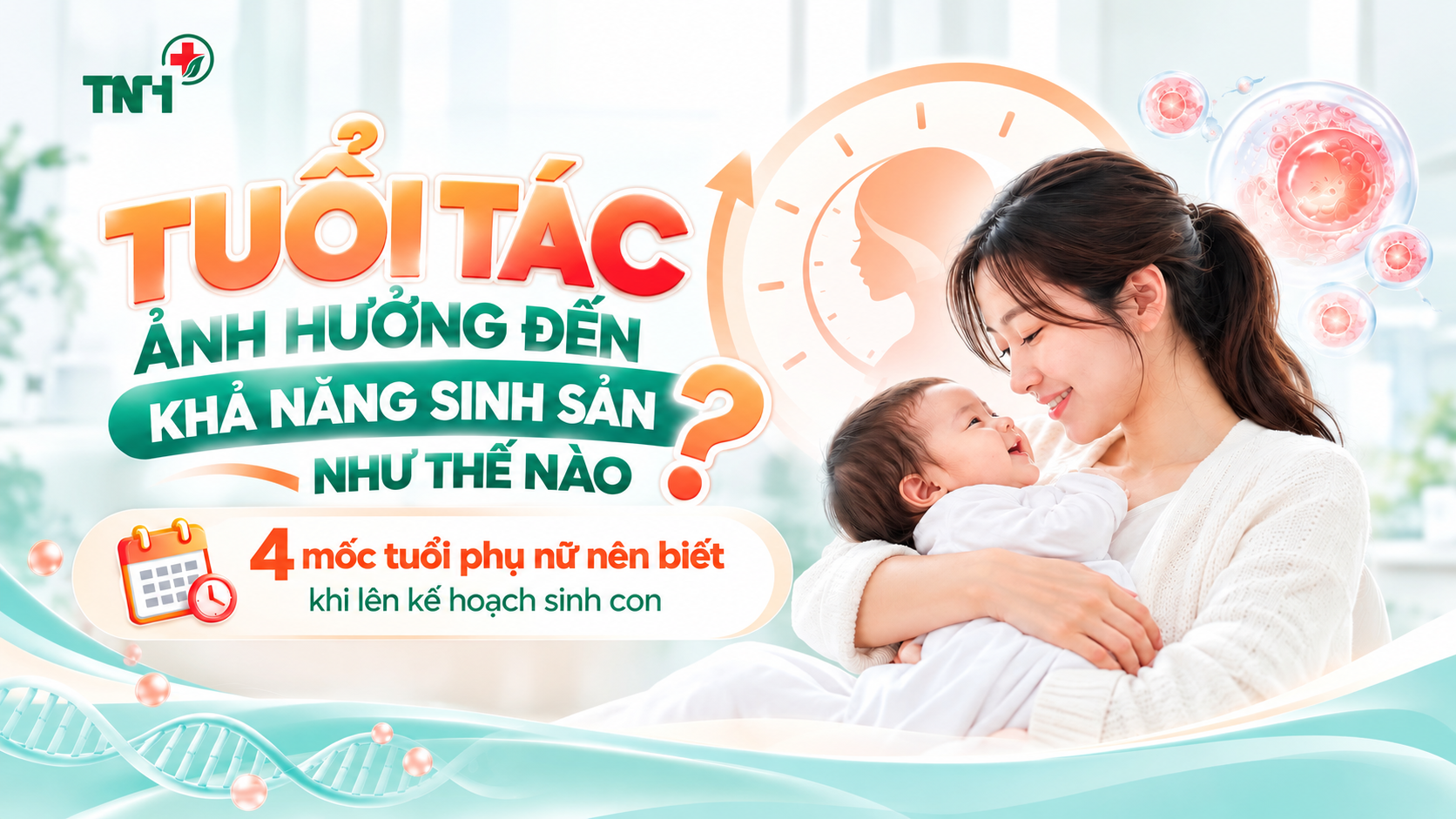
Age is one of the most important factors influencing a woman's reproductive potential. Over time, both the quantity and quality of eggs naturally decline, reducing the chances of conception while increasing the risks of miscarriage and chromosomal abnormalities in the fetus. Understanding how fertility changes at different ages can help women make informed reproductive decisions, plan their pregnancies appropriately, and improve their chances of having a baby.
The Relationship Between Age and Female Fertility
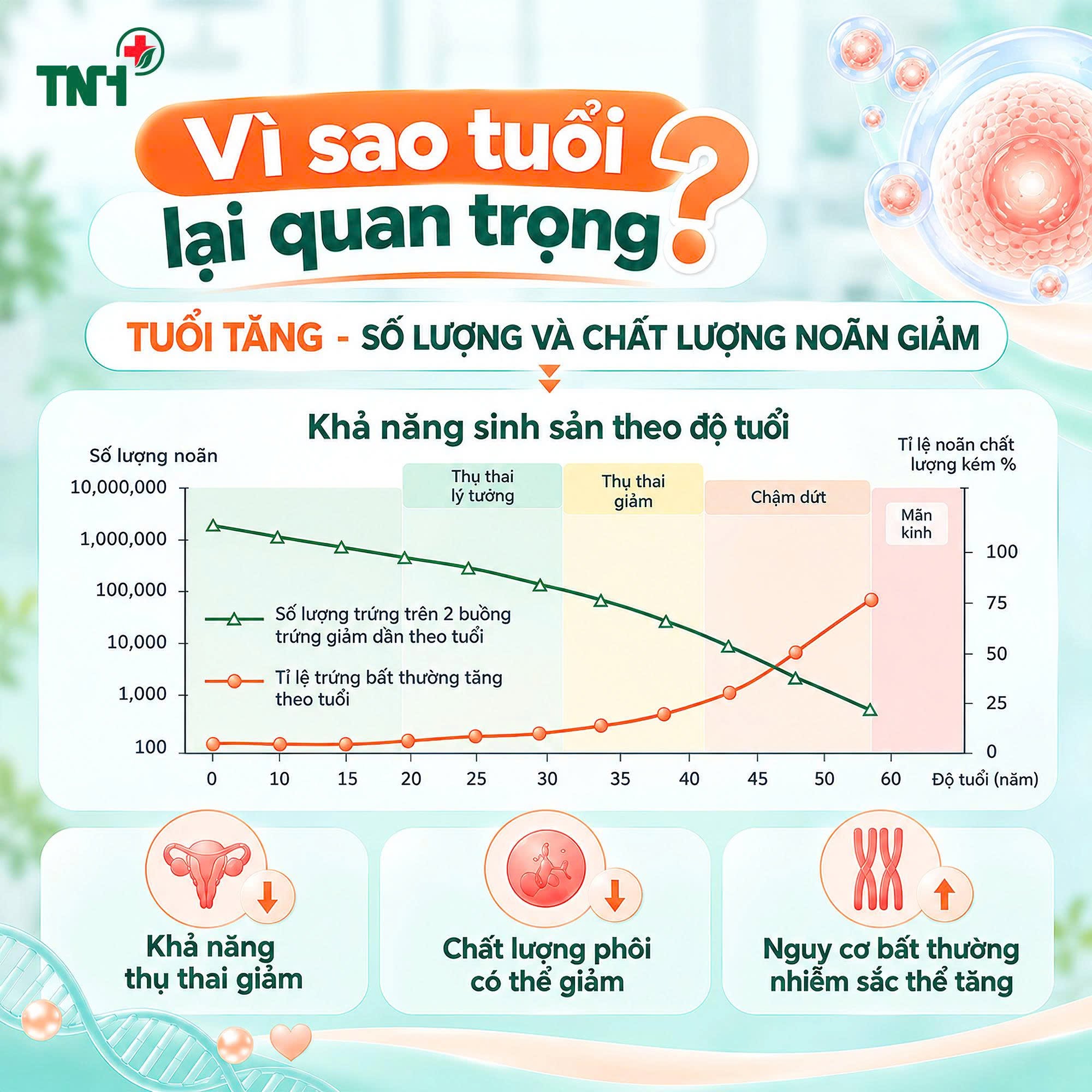
Unlike men, women are born with a finite number of eggs. As they age, their ovarian reserve gradually declines in both quantity and quality, with this process becoming more pronounced after the age of 35. This natural biological change significantly affects the ability to conceive and maintain a healthy pregnancy.
As maternal age increases, the likelihood of natural conception tends to decrease, while the risks of ovulatory disorders, chromosomal abnormalities, and miscarriage may rise. However, the rate of fertility decline varies among individuals and depends on several factors, including overall health, hormonal balance, ovarian function, and underlying gynecological conditions.
Therefore, although age is not the only factor determining a woman's ability to become pregnant, it remains an important consideration when assessing reproductive health and planning for pregnancy.
How Does Female Fertility Change Across Different Age Groups?
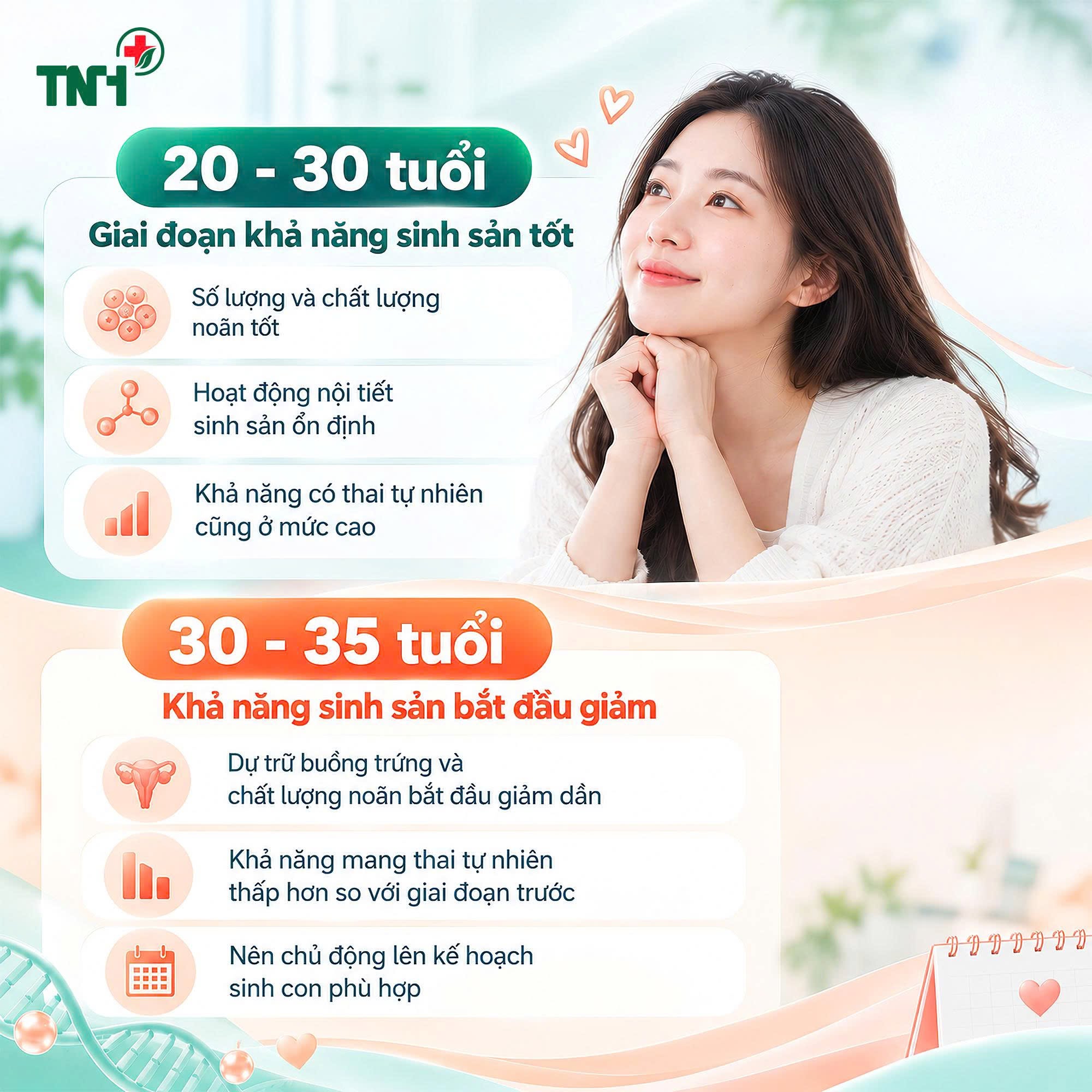
Ages 20–29: A Relatively Favorable Reproductive Period
During this stage, women generally have a relatively good ovarian reserve and egg quality. The chances of natural conception are typically higher than in older age groups, while the age-related risks of chromosomal abnormalities and miscarriage are generally lower.
However, women in their twenties may still experience difficulties conceiving due to hormonal imbalances, polycystic ovary syndrome (PCOS), blocked fallopian tubes, or other reproductive health conditions.
Ages 30–34: Fertility Begins to Decline
After the age of 30, both egg quantity and quality continue to decrease as part of the natural aging process. Although many women can still conceive successfully during this period, fertility gradually declines compared with women in their twenties.
This is an important time for women to pay closer attention to their reproductive health, particularly those planning to delay childbirth or experiencing irregular menstrual cycles, hormonal disturbances, or signs of reduced ovarian function.
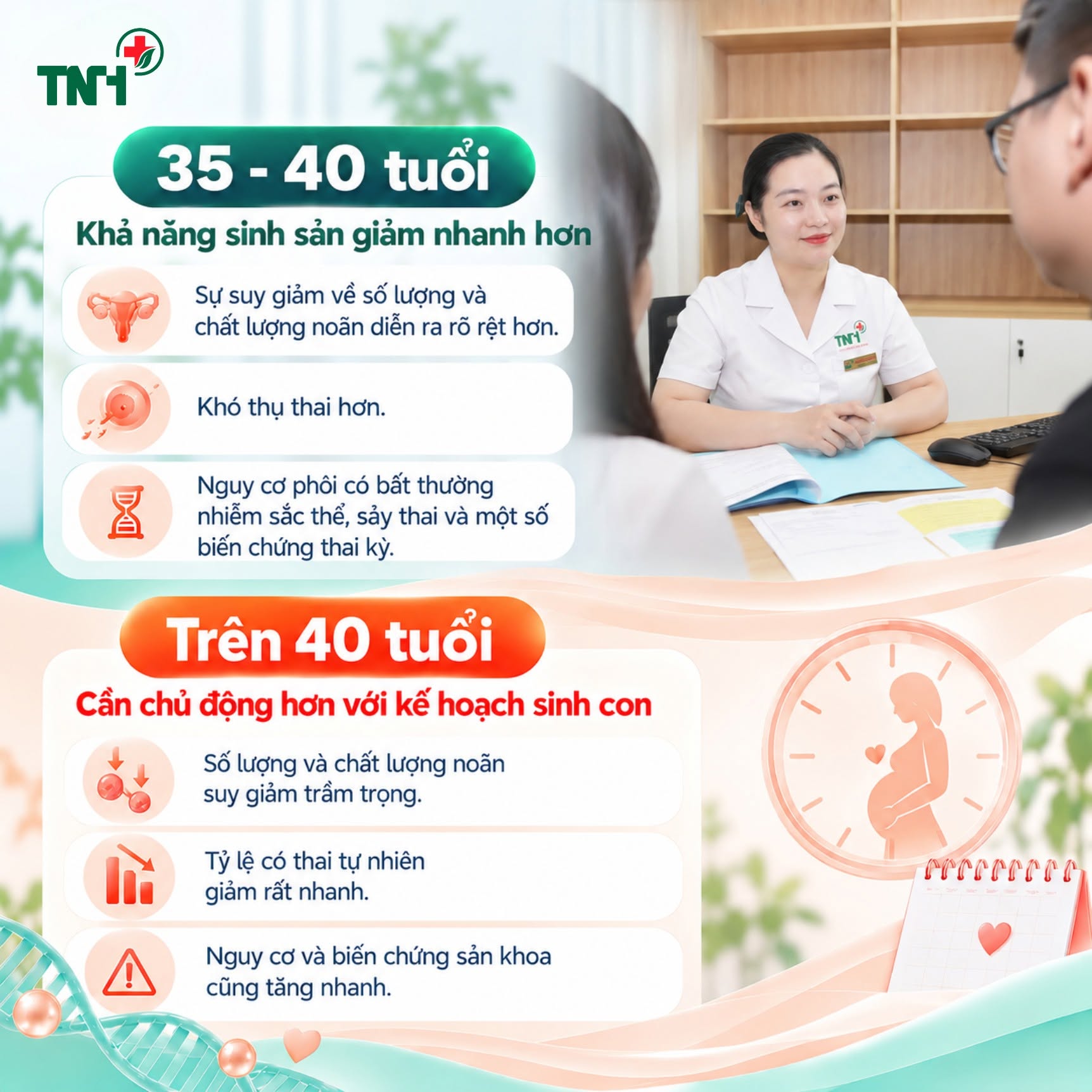
Ages 35–39: A More Noticeable Decline in Fertility
After the age of 35, the decline in egg quantity and quality generally accelerates, reducing the chances of natural conception. At the same time, the risks of miscarriage, chromosomal abnormalities, and certain pregnancy complications tend to increase.
Women in this age group who are planning to conceive should consider undergoing reproductive health assessments and consulting fertility specialists to receive appropriate guidance.
In particular, women aged 35 and older who have been having regular, unprotected sexual intercourse for six months without achieving pregnancy are advised to seek a fertility evaluation at a specialized healthcare facility.
Age 40 and Above: Early Fertility Assessment Becomes Increasingly Important
From the age of 40 onward, ovarian reserve and egg quality typically decline significantly, making natural conception less likely than at younger ages. The risks of miscarriage, chromosomal abnormalities, and pregnancy-related complications also increase.
However, this does not mean that women over 40 cannot become pregnant. Reproductive potential varies from person to person and should be evaluated based on individual health conditions.
For women over 40 who are planning to have a baby, early consultation with a fertility specialist is particularly important. Timely assessment can help identify suitable reproductive options and avoid unnecessary delays in seeking appropriate care.
Proactive Reproductive Health Assessments: Improving the Chances of Conception
In addition to age, female fertility is influenced by various factors, including hormonal balance, ovarian reserve, uterine and fallopian tube function, gynecological conditions, and lifestyle habits.
During a fertility consultation, doctors may recommend appropriate assessments such as pelvic ultrasound examinations, hormonal testing, ovarian reserve evaluation, and other investigations based on each patient's medical history and reproductive needs.
These assessments provide valuable information about reproductive health, help identify potential concerns, and support personalized pregnancy planning. However, it is important to understand that no single test can accurately predict a woman's chances of conceiving naturally.
For couples experiencing difficulties conceiving, fertility evaluations should involve both partners to identify possible causes and determine suitable treatment options when necessary.
Do not wait until you have been trying to conceive for a long time before paying attention to your reproductive health. Early assessment and a better understanding of fertility can help women make informed decisions about their reproductive future and family planning goals.
Department of Assisted Reproduction – Thai Nguyen International Hospital: Supporting Families on Their Journey to Parenthood
With a commitment to creating more opportunities for couples facing fertility challenges, the Department of Assisted Reproduction at Thai Nguyen International Hospital focuses on reproductive health consultations, fertility assessments, and individualized care tailored to each patient's needs.
Notably, the Department of Assisted Reproduction receives professional guidance and clinical consultation from My Duc Hospital in Ho Chi Minh City, with the aim of strengthening clinical expertise and enhancing the quality of fertility care.
Women planning to conceive, particularly those aged 35 and older or experiencing reproductive health concerns, are encouraged to seek early medical consultation for comprehensive evaluation and personalized guidance.
Every journey to parenthood is unique. Taking proactive steps today can help families make informed decisions and move closer to fulfilling their dream of welcoming a child.
IVF TNH – Nurturing Life, Embracing Love.
CONTACT INFORMATION
THAI NGUYEN INTERNATIONAL HOSPITAL
DEPARTMENT OF ASSISTED REPRODUCTION
Receiving professional guidance and clinical consultation from My Duc Hospital (Ho Chi Minh City).
Hotline: 1900 8035 – Extension 5
Website: https://tnh.com.vn
Address: No. 328 Luong Ngoc Quyen Street, Phan Dinh Phung Ward, Thai Nguyen Province, Vietnam.