







 Book an appointment
CAN ATROPHIC ACNE SCARS BE TREATED? 5 THINGS DERMATOLOGISTS WANT YOU TO KNOW BEFORE TREATMENT
 Posted date: 13/10/2026
 Posted by: Nông Đức Thắng


Quick view of main content
1. Atrophic Acne Scars Can Be Improved, but Complete Removal Is Difficult
2. Identifying the Correct Scar Type Is Essential Before Treatment
3. No Single Treatment Method Works for Every Type of Scar
4. Scar Treatment Requires Time and a Structured Treatment Plan
5. Early Dermatological Consultation and Proper Treatment Timing Matter
ATROPHIC ACNE SCAR TREATMENT AT THE DEPARTMENT OF DERMATOLOGY – THAI NGUYEN INTERNATIONAL HOSPITAL

Atrophic acne scars are a common dermatological concern that can affect both appearance and self-confidence. Many people hope to eliminate these scars completely after just one treatment session. However, improving atrophic acne scars requires appropriate treatment methods, a scientifically designed treatment plan, and patience.
So, can atrophic acne scars be treated? What should you know before starting treatment? Let's explore five important facts shared by dermatologists at Thai Nguyen International Hospital.
1. Atrophic Acne Scars Can Be Improved, but Complete Removal Is Difficult
Atrophic scars develop when the skin's underlying structure is damaged, commonly as a result of inflammatory acne, chickenpox, or other skin injuries. During the healing process, insufficient collagen production leads to tissue loss, leaving depressions of varying shapes and depths on the skin's surface.
Thanks to advances in dermatological treatments, the appearance of atrophic scars can now be significantly improved. However, the goal of treatment is not to eliminate 100% of scars in a single session, but rather to gradually reduce scar depth, smooth the skin's surface, and improve overall skin quality.
Treatment outcomes depend on several factors, including scar type, severity, skin condition, and individual response to treatment.
2. Identifying the Correct Scar Type Is Essential Before Treatment
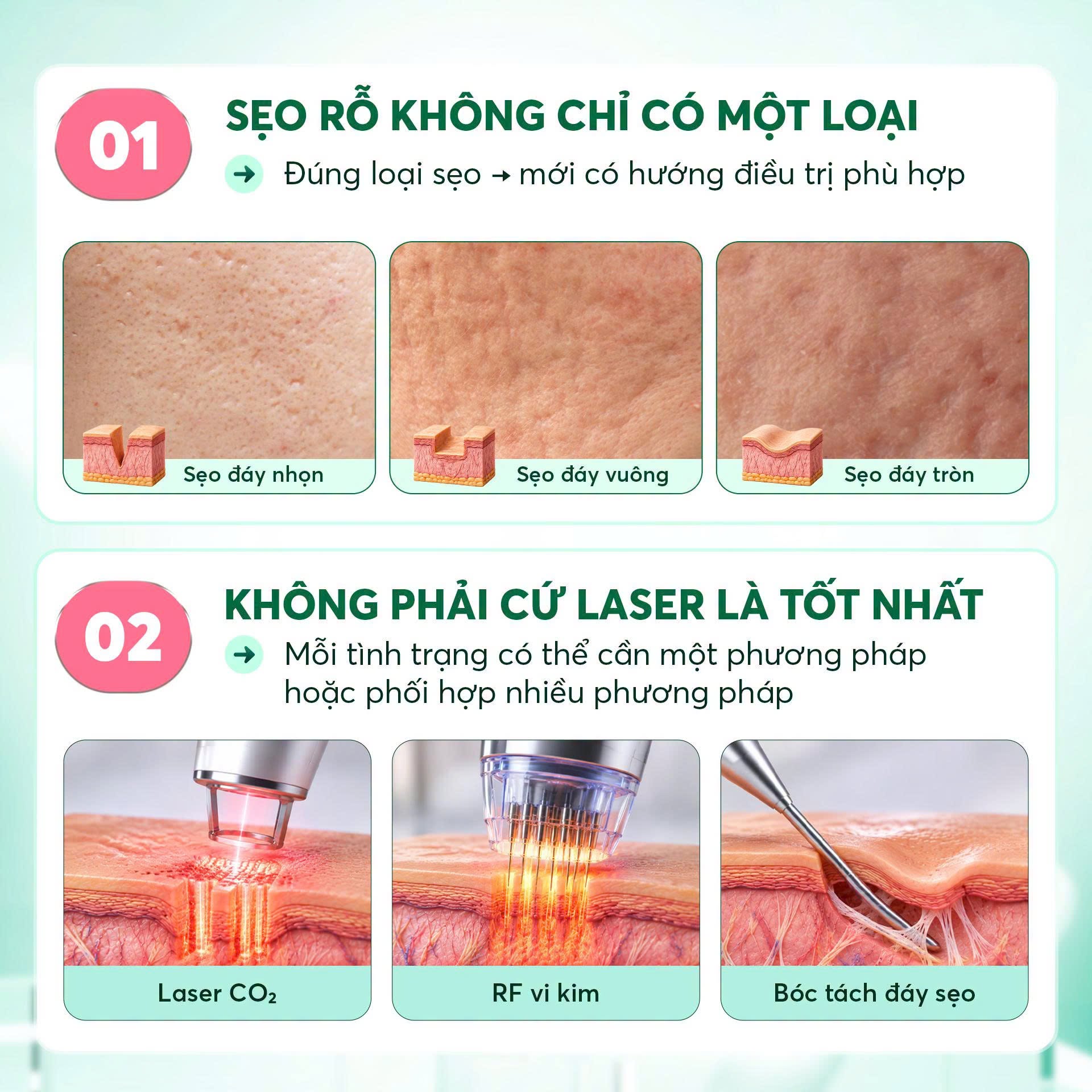
Not all atrophic scars have the same characteristics. In dermatology, they are generally classified into three main types:
- Ice Pick Scars: Small, narrow, and deep scars that extend into the skin.
- Boxcar Scars: Depressed scars with relatively flat bases, well-defined edges, and varying depths.
- Rolling Scars: Scars with sloping edges that create an uneven, wave-like skin texture, often caused by fibrous bands pulling the skin downward.
Each type has distinct structural characteristics and may require different treatment approaches. Therefore, a thorough dermatological examination and accurate scar assessment are essential for developing an appropriate treatment plan.
3. No Single Treatment Method Works for Every Type of Scar
Several techniques are currently used to improve atrophic acne scars, including fractional CO₂ laser therapy, radiofrequency (RF) microneedling, subcision, and other specialized dermatological procedures.
Depending on the characteristics and severity of the scars, dermatologists may recommend a single treatment or a combination of techniques to optimize results.
Patients should not choose a treatment simply because it has worked well for someone else. The most suitable approach must be determined based on the individual's skin condition, scar type, severity, and professional dermatological assessment.
4. Scar Treatment Requires Time and a Structured Treatment Plan
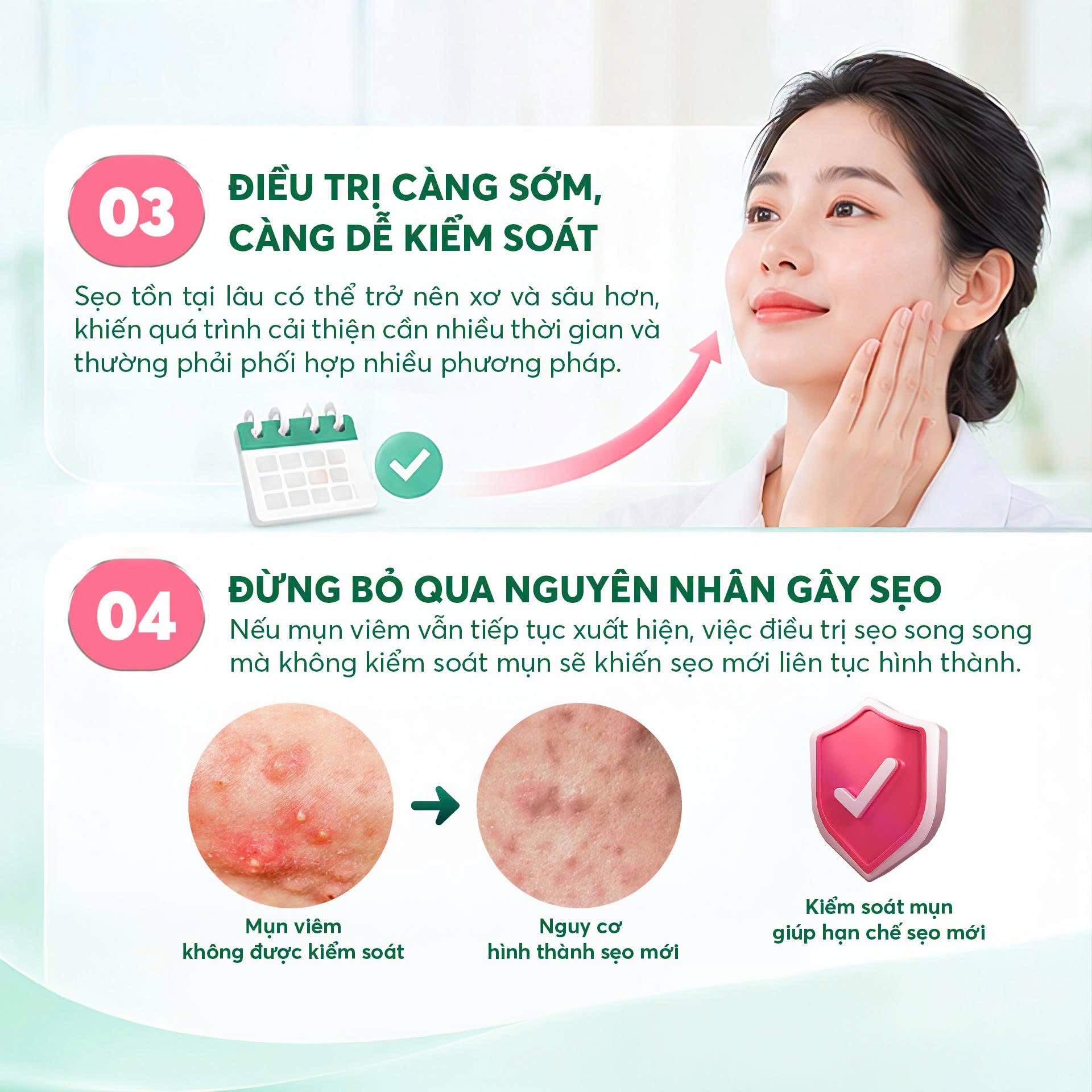
Improving atrophic acne scars is a gradual process that requires time for skin recovery and collagen remodeling. Depending on the individual case, multiple treatment sessions may be necessary, with appropriate intervals between procedures.
In addition, proper skincare, sun protection, and adherence to post-treatment instructions play important roles in supporting recovery and minimizing potential side effects.
Patients should maintain realistic expectations and avoid rushing into repeated or excessive procedures in pursuit of immediate results.
5. Early Dermatological Consultation and Proper Treatment Timing Matter
For individuals experiencing active inflammatory acne, controlling breakouts and preventing new scars should be the initial priority.
Before beginning scar treatment, dermatologists assess the patient's skin condition, inflammation, scar characteristics, and other relevant factors to determine the most appropriate time for intervention.
Seeking consultation at a medical facility with specialized dermatological services allows patients to receive personalized treatment recommendations while reducing the risks associated with self-treatment or unsuitable procedures.
ATROPHIC ACNE SCAR TREATMENT AT THE DEPARTMENT OF DERMATOLOGY – THAI NGUYEN INTERNATIONAL HOSPITAL
Treating atrophic acne scars is not only about improving skin texture but also about helping patients regain confidence in their appearance and daily lives.
At the Department of Dermatology – Thai Nguyen International Hospital, patients receive professional consultations, comprehensive scar assessments, and personalized treatment recommendations based on their skin condition and individual needs.
The right scar assessment – The right treatment method – The right timing are essential factors in optimizing treatment outcomes while ensuring skin safety.
If you are concerned about atrophic acne scars, contact the Department of Dermatology at Thai Nguyen International Hospital for a professional consultation and personalized treatment advice.
CONTACT INFORMATION
Thai Nguyen International Hospital
Address: No. 328 Luong Ngoc Quyen Street, Phan Dinh Phung Ward, Thai Nguyen, Vietnam.
Hotline: 1900 8035
Website: https://tnh.com.vn

TNH HOSPITAL SYSTEM
- Thai Nguyen International Hospital: No. 328 Luong Ngoc Quyen Street, Phan Dinh Phung Ward, Thai Nguyen.
- TNH Pho Yen Hospital: Tran Nguyen Han Street, Truong Thinh Residential Group, Van Xuan Ward, Thai Nguyen.
- TNH Viet Yen Hospital: Nguyen The Nho Street, Viet Yen Ward, Bac Ninh.
- TNH Lang Son Hospital: Block 10, Nhi Thanh Street, Tam Thanh Ward, Lang Son.