






 Book an appointment
RSV – A SERIOUS RESPIRATORY THREAT TO YOUNG CHILDREN: PARENTS SHOULD NOT UNDERESTIMATE THE RISKS
 Posted date: 30/10/2026
 Posted by: Nông Đức Thắng


Quick view of main content
What Is RSV and Why Are Young Children Particularly Vulnerable?
How Does RSV Spread?
Recognizing the Early Symptoms of RSV Infection in Children
Warning Signs That Require Immediate Medical Attention
Proactive RSV Prevention to Protect Young Children
Do Not Underestimate RSV Symptoms in Children
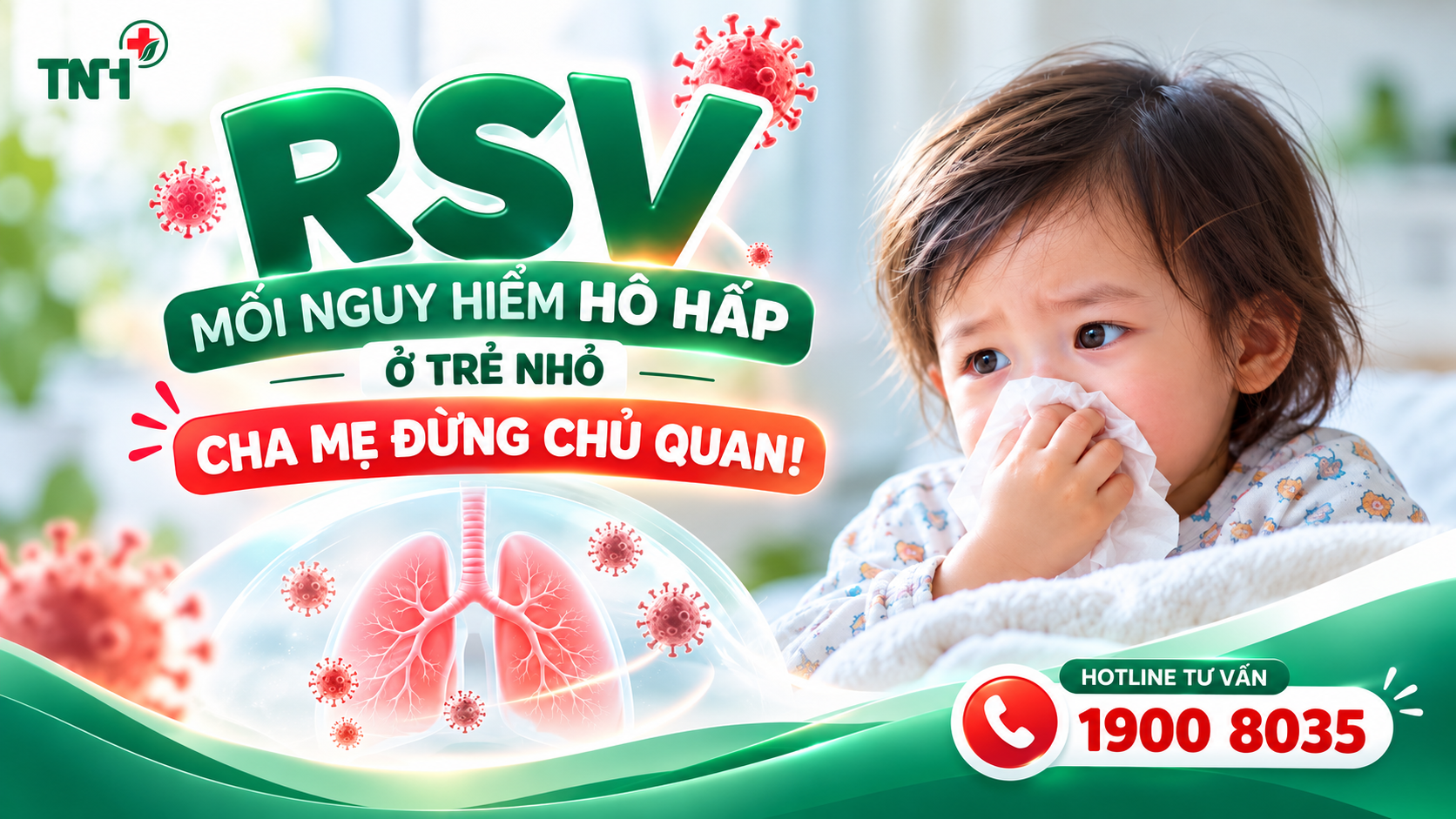
Respiratory Syncytial Virus (RSV) is one of the most common causes of respiratory tract infections in young children, particularly those under two years of age. The infection often begins with symptoms resembling a common cold, such as coughing, a runny nose, and nasal congestion. However, it can progress to bronchiolitis, pneumonia, and even respiratory failure in severe cases. Early recognition of warning signs and proactive preventive measures are essential to protecting children's health.
What Is RSV and Why Are Young Children Particularly Vulnerable?
Respiratory Syncytial Virus (RSV) is a virus that causes respiratory tract infections in people of all ages. However, infants and young children, especially those under two years old, are particularly vulnerable because their immune systems and respiratory systems are not yet fully developed.
RSV is one of the leading causes of bronchiolitis and pneumonia in young children. Infections can occur throughout the year, with seasonal increases depending on local climate conditions and epidemiological patterns.
Most children infected with RSV experience mild symptoms and recover with appropriate care. However, in some cases, the virus can affect the lower respiratory tract, causing wheezing, breathing difficulties, reduced blood oxygen levels, and respiratory failure, requiring medical monitoring and treatment.
Children at higher risk of severe illness include newborns, premature infants, and those with congenital heart disease, chronic lung disease, weakened immune systems, or certain other underlying medical conditions. Infants younger than six months require particularly close monitoring when respiratory symptoms develop.
How Does RSV Spread?
RSV is highly contagious, particularly in households with young children, childcare facilities, and crowded environments.
The virus primarily spreads through respiratory droplets released when an infected person coughs or sneezes, as well as through close contact. Transmission can also occur indirectly through contaminated hands and surfaces, including toys, tables, chairs, doorknobs, and frequently touched objects.
Children may become infected when they touch contaminated surfaces and subsequently touch their eyes, nose, or mouth, allowing the virus to enter the body.
Importantly, adults and older children infected with RSV may experience only mild, cold-like symptoms but can still transmit the virus to infants and younger children.
Therefore, maintaining good personal hygiene, limiting exposure to infected individuals, and keeping living environments clean are essential measures for preventing RSV transmission.
Recognizing the Early Symptoms of RSV Infection in Children
During the initial stage, RSV infection often presents with symptoms similar to those of a common cold, making it difficult for parents to distinguish between the two.
Common symptoms include coughing, sneezing, a runny nose, nasal congestion, and sometimes fever, reduced breastfeeding, or decreased food intake.
As the infection progresses and affects the lower respiratory tract, children may develop more frequent coughing, wheezing, rapid breathing, increased breathing effort, or shortness of breath. Some children may also become unusually tired, irritable, or have difficulty sleeping due to respiratory discomfort.
In newborns, particularly very young infants, RSV symptoms may be less typical. They may present with poor feeding, decreased activity, unusual irritability, or episodes of apnea (temporary pauses in breathing), even without the usual symptoms of coughing or fever.
Although premature infants, children with underlying medical conditions, and infants younger than six months are at greater risk of severe illness, otherwise healthy children can also contract RSV and develop serious respiratory complications.
Parents should therefore closely monitor their child's breathing, feeding, fluid intake, and level of alertness throughout the illness.
Warning Signs That Require Immediate Medical Attention
RSV can cause bronchiolitis, pneumonia, and respiratory failure, particularly in infants and young children. Recognizing warning signs early allows children to receive timely medical assessment and treatment, helping reduce the risk of complications.
Parents should pay particular attention to the following symptoms:
- Rapid or labored breathing and chest retractions: The child may experience difficulty breathing, nasal flaring, or visible inward movement of the chest wall during inhalation.
- Bluish lips, bluish skin discoloration, or episodes of apnea: These are serious warning signs that may indicate dangerously low oxygen levels.
- Refusal to breastfeed, inability to drink, or persistent vomiting: The child may be unable to maintain adequate fluid intake, increasing the risk of dehydration and physical deterioration.
- Extreme drowsiness, difficulty waking, or seizures: These symptoms may indicate severe illness requiring emergency medical assessment.
- Fever in young infants: Infants younger than three months with a temperature of 38°C (100.4°F) or higher require urgent medical evaluation. Children with persistent high fever, fever accompanied by other concerning symptoms, or worsening general condition should also be assessed by a physician.
If any warning signs occur, parents should promptly take their child to a healthcare facility for medical evaluation. In cases of bluish discoloration, apnea, difficulty waking, or seizures, emergency medical services should be contacted immediately.
Parents should not administer antibiotics, anti-inflammatory medications, or other symptom-relieving medicines without medical guidance. Because RSV is caused by a virus, antibiotics do not directly treat the infection unless a concurrent bacterial infection has been diagnosed by a physician.
Proactive RSV Prevention to Protect Young Children
RSV spreads easily through respiratory droplets and contact with contaminated surfaces. Therefore, preventive measures in everyday life are particularly important for infants and children at higher risk of severe illness.
Ensure Age-Appropriate Nutrition
Breastfeeding is encouraged, especially during the first months of life. Older children should receive a balanced diet with adequate nutrients and fluids appropriate for their age to support overall health.
Maintain Personal Hygiene and a Clean Living Environment
Parents and caregivers should wash their hands frequently with soap and water or use appropriate hand sanitizers, particularly before holding, feeding, or caring for children.
Toys, tables, doorknobs, and other frequently touched objects should also be cleaned regularly.
Limit Exposure to Sources of Infection
Avoid close contact between children and individuals experiencing coughing, fever, a runny nose, or other respiratory symptoms. Limit visits to crowded places, particularly during periods of increased respiratory infections.
Caregivers experiencing respiratory symptoms should take appropriate precautions to reduce the risk of transmission.
Provide Appropriate Daily Care
Maintain a clean, well-ventilated living environment and protect children from cigarette smoke and other respiratory irritants.
Saline nasal drops or sprays may be used when necessary, provided they are administered correctly and are appropriate for the child's age. Parents should also monitor feeding, hydration, sleep, and any unusual respiratory symptoms.
Consider RSV-Specific Preventive Measures
In addition to general preventive practices, specific RSV prevention options are now available, including maternal RSV vaccination during an appropriate stage of pregnancy and preventive monoclonal antibody administration for eligible infants.
The choice of preventive measures depends on the child's age, medical condition, maternal vaccination history, previous RSV preventive treatment, current medical recommendations, and availability at healthcare facilities.
Parents and pregnant women are encouraged to consult healthcare professionals to determine the most appropriate preventive strategy.
Do Not Underestimate RSV Symptoms in Children
Most children infected with RSV recover with appropriate care and monitoring. Nevertheless, the infection can cause serious respiratory complications, particularly in newborns, premature infants, and children with underlying medical conditions.
Early symptom recognition, careful monitoring of disease progression, and timely medical consultation are essential to reducing the risk of complications.
Parents should take proactive steps to prevent RSV infection and remain alert to persistent or worsening respiratory symptoms. If a child develops breathing difficulties, significantly reduced feeding, unusual drowsiness, or other serious warning signs, prompt medical evaluation and treatment are essential.
For consultation and pediatric appointment scheduling at TNH Hospitals, please contact our hotline at 1900 8035.
TNH HOSPITAL GROUP JOINT STOCK COMPANY
Hotline: 1900 8035
Website: https://tnh.com.vn
TNH Hospital Network:
- TNH Pho Yen Hospital: Tran Nguyen Han Street, Truong Thinh Residential Group, Van Xuan Ward, Thai Nguyen, Vietnam.
- Thai Nguyen International Hospital: No. 328, Luong Ngoc Quyen Street, Phan Dinh Phung Ward, Thai Nguyen, Vietnam.
- TNH Viet Yen Hospital: Nguyen The Nho Street, Viet Yen Ward, Bac Ninh, Vietnam.
- TNH Lang Son Hospital: Block 10, Nhi Thanh Street, Tam Thanh Ward, Lang Son, Vietnam.