







 Book an appointment
DETECT LUNG CANCER BEFORE SYMPTOMS APPEAR WITH LOW-DOSE CT SCANNING
 Posted date: 11/08/2026
 Posted by: Nông Đức Thắng


Quick view of main content
Low-Dose Chest CT – An Effective Screening Method
Who Should Be Screened with Low-Dose CT?
Why Is Low-Dose CT Becoming Increasingly Popular?
Take Action Early to Protect Your Health
Contact Information
TNH Hospital System
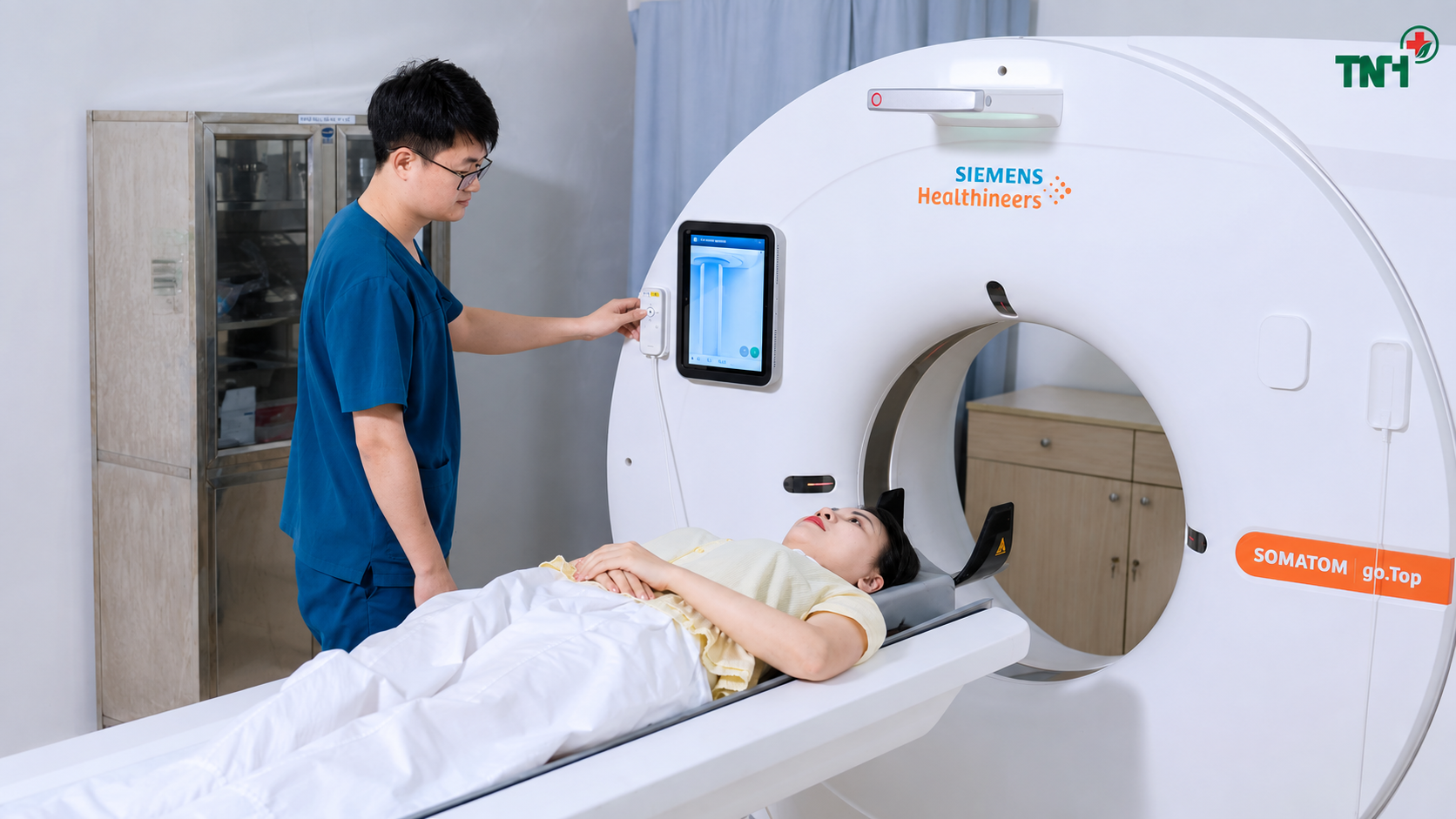
Lung cancer remains one of the leading causes of cancer-related death worldwide. What is particularly concerning is that the disease often develops silently in its early stages and may cause little or no noticeable symptoms. By the time signs such as persistent cough, chest pain, shortness of breath, or coughing up blood appear, the disease may already have progressed, reducing the chances of successful treatment.
For this reason, early lung cancer screening plays a critically important role in detecting the disease before symptoms develop.
Low-Dose Chest CT – An Effective Screening Method
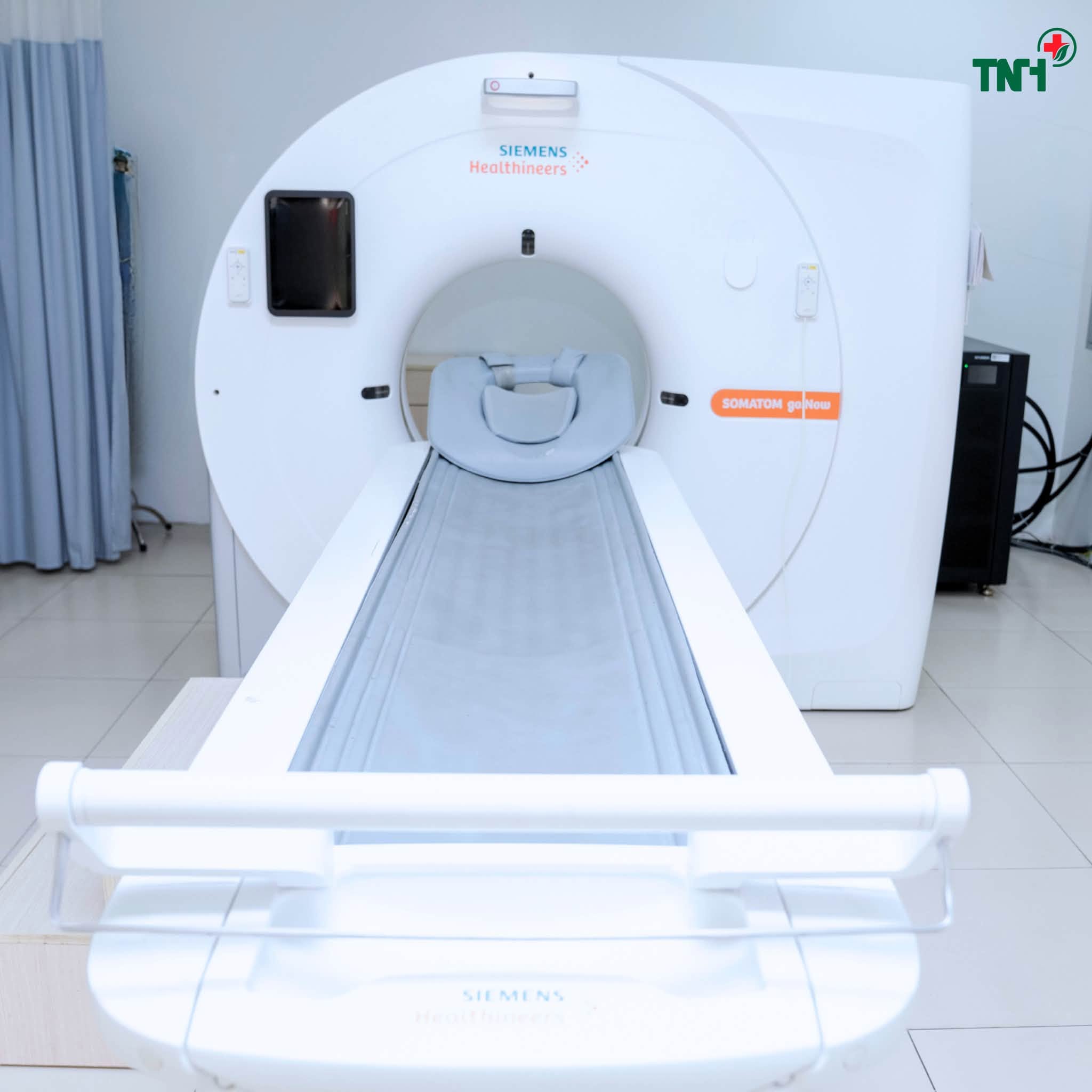
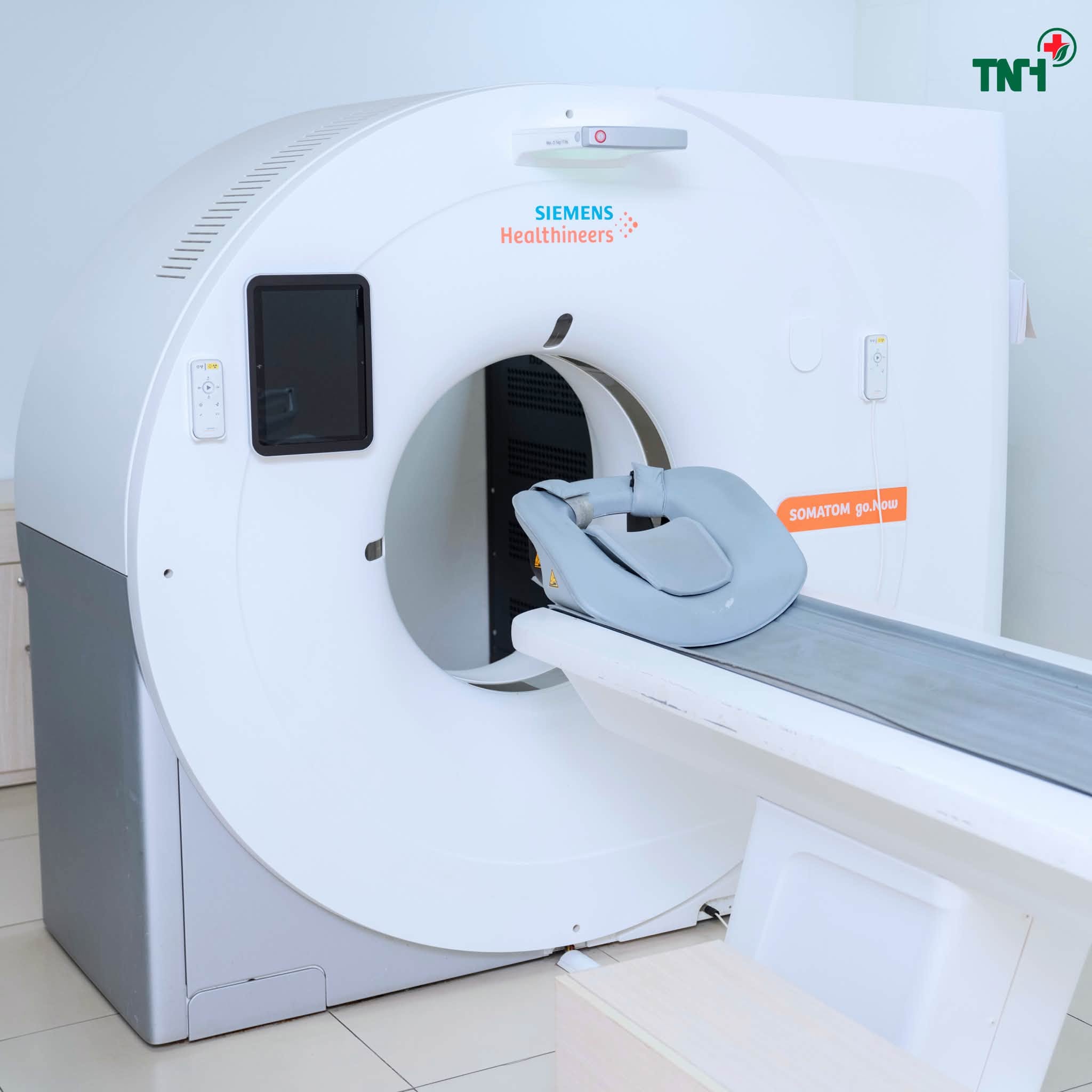
Currently, Low-Dose Chest CT (LDCT) is considered the most effective screening method for individuals at high risk of lung cancer. Large international studies have shown that LDCT screening can reduce lung cancer mortality by approximately 20–24% compared with no screening or chest X-ray alone.
Thanks to its ability to detect very small lung abnormalities, LDCT can identify lung cancer at an early stage, when curative treatment is still highly possible and the prognosis is significantly better.
Who Should Be Screened with Low-Dose CT?
Lung cancer screening is recommended for people who:
- Are 50–80 years old.
- Have a smoking history of 20 pack-years or more (for example, smoking one pack per day for 20 years or two packs per day for 10 years).
- Currently smoke or have quit smoking within the past 15 years.
In addition, doctors may recommend screening for individuals with other high-risk factors, including:
- A family history of lung cancer.
- Regular exposure to asbestos, radon, or occupational chemicals.
- Chronic obstructive pulmonary disease (COPD) or pulmonary fibrosis.
For people in high-risk groups, screening is generally recommended once a year according to a physician’s advice to increase the likelihood of detecting cancer before symptoms appear.
Why Is Low-Dose CT Becoming Increasingly Popular?
LDCT offers several important advantages:
- No contrast injection required.
- Low radiation dose, approximately 1–1.5 mSv, significantly lower than conventional chest CT (about 5–7 mSv).
- Fast scanning time, usually only a few seconds.
- Ability to detect lung cancer at Stage I, when curative treatment is still possible.
- May also help identify other chest abnormalities at an early stage, contributing to comprehensive health protection.
Take Action Early to Protect Your Health
Lung cancer detected at an early stage is far more treatable than advanced disease. Do not wait until symptoms appear before seeking medical evaluation. Proactive screening at the right time is one of the most effective ways to protect your health and improve treatment outcomes should lung cancer occur.
If you would like screening or personalized advice regarding your lung cancer risk, please contact Hotline 1900 8035 to consult with our physicians and choose the most appropriate screening method for your health condition.
Contact Information
TNH Hospital Group Joint Stock Company
- Hotline: 1900 8035
- Website: tnh.com.vn
TNH Hospital System
- TNH Pho Yen Hospital: Tran Nguyen Han Street, Chua Residential Area, Van Xuan Ward, Thai Nguyen Province, Vietnam.
- Thai Nguyen International Hospital: 328 Luong Ngoc Quyen Street, Phan Dinh Phung Ward, Thai Nguyen Province, Vietnam.
- TNH Viet Yen Hospital: Nguyen The Nho Street, Viet Yen Ward, Bac Ninh Province, Vietnam.
- TNH Lang Son Hospital: Block 10, Nhi Thanh Street, Tam Thanh Ward, Lang Son Province, Vietnam.