







 Book an appointment
Melasma – More Than Just a Cosmetic Concern
 Posted date: 09/06/2026
 Posted by: Nông Đức Thắng

Quick view of main content
Factors Associated with Melasma
Common Types of Melasma
Multimodal Approach in Melasma Treatment
Laser and Light-Based Technologies – Popular Melasma Treatment Solutions at TNH Viet Yen Hospital
Recommendations for Sun Protection
Effective Melasma Treatment Requires Patience and Proper Guidance
Hospital System:
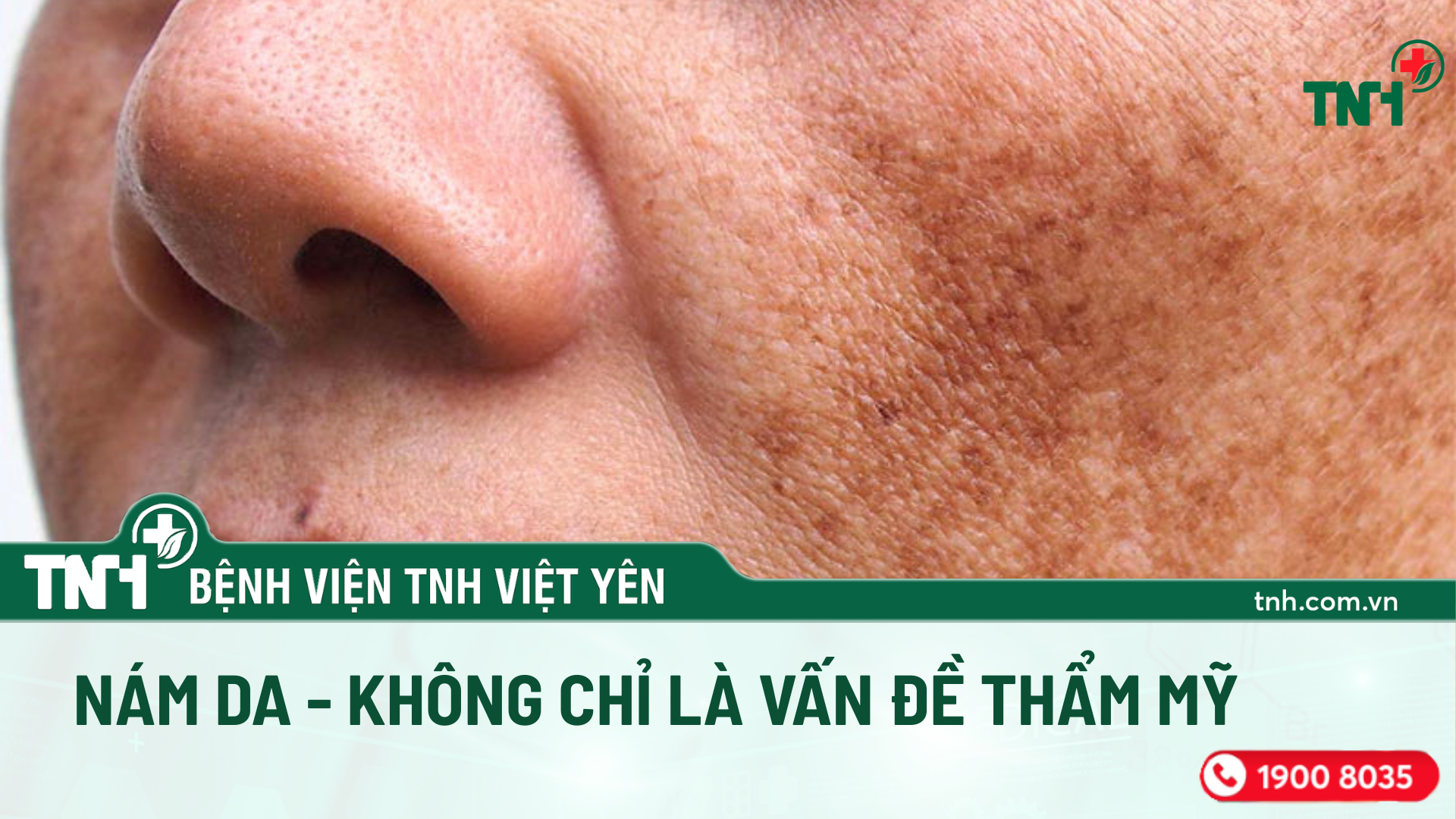
Melasma is a common skin pigmentation disorder that typically appears on areas frequently exposed to sunlight, such as the cheeks, forehead, and chin. It is a chronic skin condition that can easily recur, and effective treatment often requires patience as well as a combination of therapeutic approaches.
Beyond its impact on appearance, melasma can also significantly affect a person’s confidence, emotional well-being, and overall quality of life.
Factors Associated with Melasma
According to dermatology specialists, melasma may be related to several contributing factors, including:
- Genetic predisposition or family history of melasma
- Frequent exposure to sunlight and ultraviolet (UV) rays
- Hormonal changes during pregnancy, hormone therapy, or endocrine disorders
- Stress and prolonged emotional tension
- Certain medications that increase photosensitivity or anti-seizure medications
Among these, sun exposure, hormonal factors, and genetics are considered the most significant contributors to the development of melasma.
Common Types of Melasma
Melasma may appear in different facial distribution patterns, including:
- Centrofacial melasma
- Malar (butterfly-pattern) melasma
- Mandibular melasma
Depending on the severity, location, and pigmentation characteristics, dermatologists will recommend personalized treatment plans for each patient.
Multimodal Approach in Melasma Treatment
Today, melasma treatment is commonly performed using a multimodal approach to enhance treatment effectiveness and reduce the risk of recurrence.
Instead of relying on a single method, dermatologists often combine multiple therapies together with proper skincare and sun protection measures.
Laser and Light-Based Technologies – Popular Melasma Treatment Solutions at TNH Viet Yen Hospital
At the Dermatology Department of TNH Viet Yen Hospital, various advanced technologies are currently being applied in melasma treatment, including:
- Q-Switched Nd:YAG Laser
- Picosecond Nd:YAG Laser
- Pulsed Dye Laser (PDL)
- Intense Pulsed Light (IPL)
With modern equipment and personalized treatment protocols, melasma treatment is performed with minimal discomfort, reduced swelling or irritation, and noticeable improvement in skin pigmentation.
Recommendations for Sun Protection
To support treatment outcomes and reduce recurrence, dermatologists recommend:
- Limiting sun exposure between 9:00 AM and 4:00 PM
- Wearing wide-brimmed hats, sun-protective clothing, and sunglasses outdoors
- Applying broad-spectrum sunscreen with SPF 30 or higher daily
According to clinical studies and practical experience at TNH Viet Yen Hospital, combining appropriate treatment methods with proper skincare and effective sun protection can significantly improve melasma, helping the skin become brighter, healthier, and more even-toned over time.
Effective Melasma Treatment Requires Patience and Proper Guidance
Specialists emphasize that melasma treatment should be carried out with the right methods, persistence, and under the guidance of qualified dermatologists to ensure safe and sustainable results.
For consultation and treatment support, please contact:
TNH Hospital Group Joint Stock Company
☎️ Hotline: 1900 8035
🌐 Website: https://tnh.com.vn
Hospital System:
- TNH Viet Yen Hospital – Nguyen The Nho Street, Viet Yen Ward, Bac Ninh
- TNH Pho Yen Hospital – Tran Nguyen Han Street, Chua Residential Area, Van Xuan Ward, Thai Nguyen
- Thai Nguyen International Hospital – 328 Luong Ngoc Quyen Street, Phan Dinh Phung Ward, Thai Nguyen
- TNH Lang Son Hospital – Block 10, Nhi Thanh Street, Tam Thanh Ward, Lang Son