







 Book an appointment
WINTER IS HERE – 5 ESSENTIAL TIPS FOR PROTECTING YOUR EAR, NOSE, AND THROAT HEALTH
 Posted date: 12/11/2026
 Posted by: Nông Đức Thắng


Quick view of main content
Why Are Ear, Nose, and Throat Conditions More Common During Cold Weather?
5 Essential Tips for Maintaining ENT Health During Cold Weather
1. Keep Your Body Warm, Especially Your Neck, Chest, Nose, and Ears
2. Practice Proper Nasal and Throat Hygiene with Saline Solution
3. Stay Hydrated and Choose Warm Water
4. Maintain Appropriate Indoor Humidity
5. Seek Medical Attention When Unusual Symptoms Occur
Proactive ENT Healthcare at TNH Pho Yen Hospital
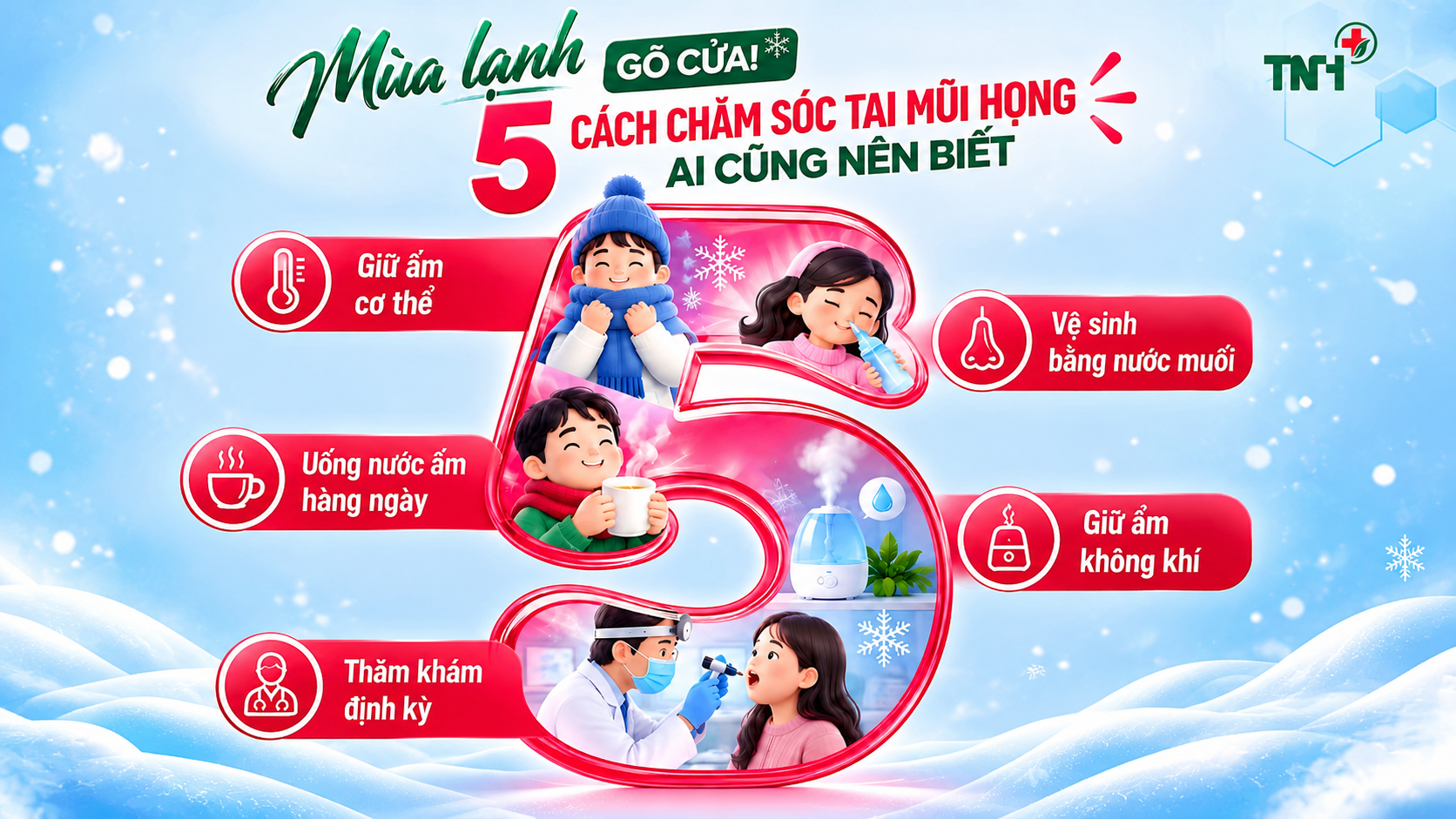
Cold weather and sudden temperature changes can irritate the respiratory tract lining, increasing the risk of developing or experiencing recurrent ear, nose, and throat (ENT) conditions such as rhinitis, sinusitis, and pharyngitis. Young children, older adults, and individuals with weakened immune systems are particularly vulnerable during seasonal transitions. Taking preventive measures and maintaining healthy daily habits are essential for protecting ENT health throughout the colder months.
Why Are Ear, Nose, and Throat Conditions More Common During Cold Weather?
The ears, nose, and throat are constantly exposed to the external environment and play important roles in breathing and protecting the body against harmful pathogens.
When temperatures drop, changes in temperature and humidity may affect the natural protective mechanisms of the respiratory mucosa, causing dryness, irritation, and discomfort in the nose and throat. In addition, spending more time indoors in poorly ventilated spaces during colder months may facilitate the transmission of respiratory pathogens.
During this period, conditions such as rhinitis, sinusitis, pharyngitis, tonsillitis, and otitis media may develop or recur, particularly among individuals with a history of chronic ENT disorders.
Common symptoms include nasal congestion, runny nose, sneezing, sore throat, coughing, hoarseness, tinnitus, and ear pain. Without appropriate monitoring and treatment, some conditions may worsen, affecting daily activities and overall quality of life.
5 Essential Tips for Maintaining ENT Health During Cold Weather
To help prevent common ENT conditions during the colder months, specialists from the Department of Otorhinolaryngology (ENT) at TNH Pho Yen Hospital recommend adopting five simple yet effective daily healthcare practices.
1. Keep Your Body Warm, Especially Your Neck, Chest, Nose, and Ears
Keeping the body warm is an important measure to minimize discomfort caused by cold weather.
When going outdoors early in the morning, late in the evening, or during periods of low temperatures, individuals should wear appropriate warm clothing and use scarves or other protective accessories to reduce direct exposure to cold air.
Special attention should be given to young children and older adults. However, excessive layering should be avoided, as it may cause overheating and excessive sweating.
2. Practice Proper Nasal and Throat Hygiene with Saline Solution
Cleaning the nasal passages with physiological saline solution can help remove mucus, dust, and irritants while maintaining moisture in the nasal mucosa.
Similarly, gargling with an appropriately concentrated saline solution may help cleanse the mouth and throat and relieve discomfort.
However, these practices should be performed correctly. Excessive use or the use of improperly prepared solutions should be avoided. For young children, nasal and throat hygiene should be appropriate for their age and performed under medical guidance when necessary.
3. Stay Hydrated and Choose Warm Water
During cold weather, many people experience reduced thirst, which may lead to inadequate fluid intake.
Drinking sufficient water throughout the day supports normal bodily functions and helps maintain moisture in the respiratory mucosa, reducing throat dryness and discomfort.
Warm water may be preferable during colder months. However, excessively hot beverages should be avoided because they may irritate or damage the lining of the mouth and throat.
4. Maintain Appropriate Indoor Humidity
Cold, dry air and prolonged use of heating devices can reduce indoor humidity, making the nasal and throat mucosa more susceptible to dryness and irritation.
Therefore, maintaining a clean, well-ventilated living environment with appropriate humidity levels is important.
When using a humidifier, users should clean the device regularly and replace the water according to the manufacturer's instructions to prevent the growth of bacteria and mold.
Excessively high indoor humidity should also be avoided, as it may encourage mold growth and the accumulation of allergens.
5. Seek Medical Attention When Unusual Symptoms Occur
Individuals experiencing persistent nasal congestion, runny nose, sore throat, coughing, tinnitus, or ear pain should seek medical evaluation to identify the underlying cause.
Prompt medical attention is particularly important when symptoms progressively worsen or are accompanied by persistent high fever, severe ear pain, difficulty breathing, or difficulty swallowing.
Self-medication, especially the use of antibiotics without a doctor's prescription, may be ineffective and increase the risk of adverse effects.
Proactive ENT Healthcare at TNH Pho Yen Hospital
Proper ear, nose, and throat care not only helps reduce discomfort during cold weather but also contributes to lowering the risk of developing or experiencing recurrent upper respiratory tract conditions.
In addition to maintaining healthy daily habits, individuals should monitor unusual symptoms and seek medical attention when necessary, particularly young children, older adults, and patients with chronic ENT conditions.
The Department of Otorhinolaryngology (ENT) at TNH Pho Yen Hospital provides medical examinations, consultations, and treatment for a wide range of ear, nose, and throat conditions in both children and adults.
Patients receive comprehensive evaluations from ENT specialists to identify the underlying causes of their symptoms and determine appropriate treatment approaches.
Preventive care, proper daily hygiene, and timely medical examinations are essential for maintaining ear, nose, and throat health, particularly during seasonal transitions and periods of cold weather.
For consultations or appointments at the Department of Otorhinolaryngology, TNH Pho Yen Hospital, please contact the hotline at 1900 8035 for assistance.
CONTACT INFORMATION
TNH HOSPITAL GROUP JOINT STOCK COMPANY
Hotline: 1900 8035
Website: https://tnh.com.vn
TNH Hospital Network:
- TNH Pho Yen Hospital: Tran Nguyen Han Street, Truong Thinh Residential Area, Van Xuan Ward, Thai Nguyen, Vietnam.
- Thai Nguyen International Hospital: No. 328, Luong Ngoc Quyen Street, Phan Dinh Phung Ward, Thai Nguyen, Vietnam.
- TNH Viet Yen Hospital: Nguyen The Nho Street, Viet Yen Ward, Bac Ninh, Vietnam.
- TNH Lang Son Hospital: Block 10, Nhi Thanh Street, Tam Thanh Ward, Lang Son, Vietnam.