






 Book an appointment
PTERYGIUM: DON'T OVERLOOK THIS COMMON EYE CONDITION
 Posted date: 15/06/2026
 Posted by: Nông Đức Thắng

Quick view of main content
What Causes Pterygium?
Common Signs and Symptoms
Can Pterygium Be Treated with Eye Drops?
How Is Pterygium Treated?
How Can Pterygium Be Prevented?
Comprehensive Eye Care at Thai Nguyen International Hospital
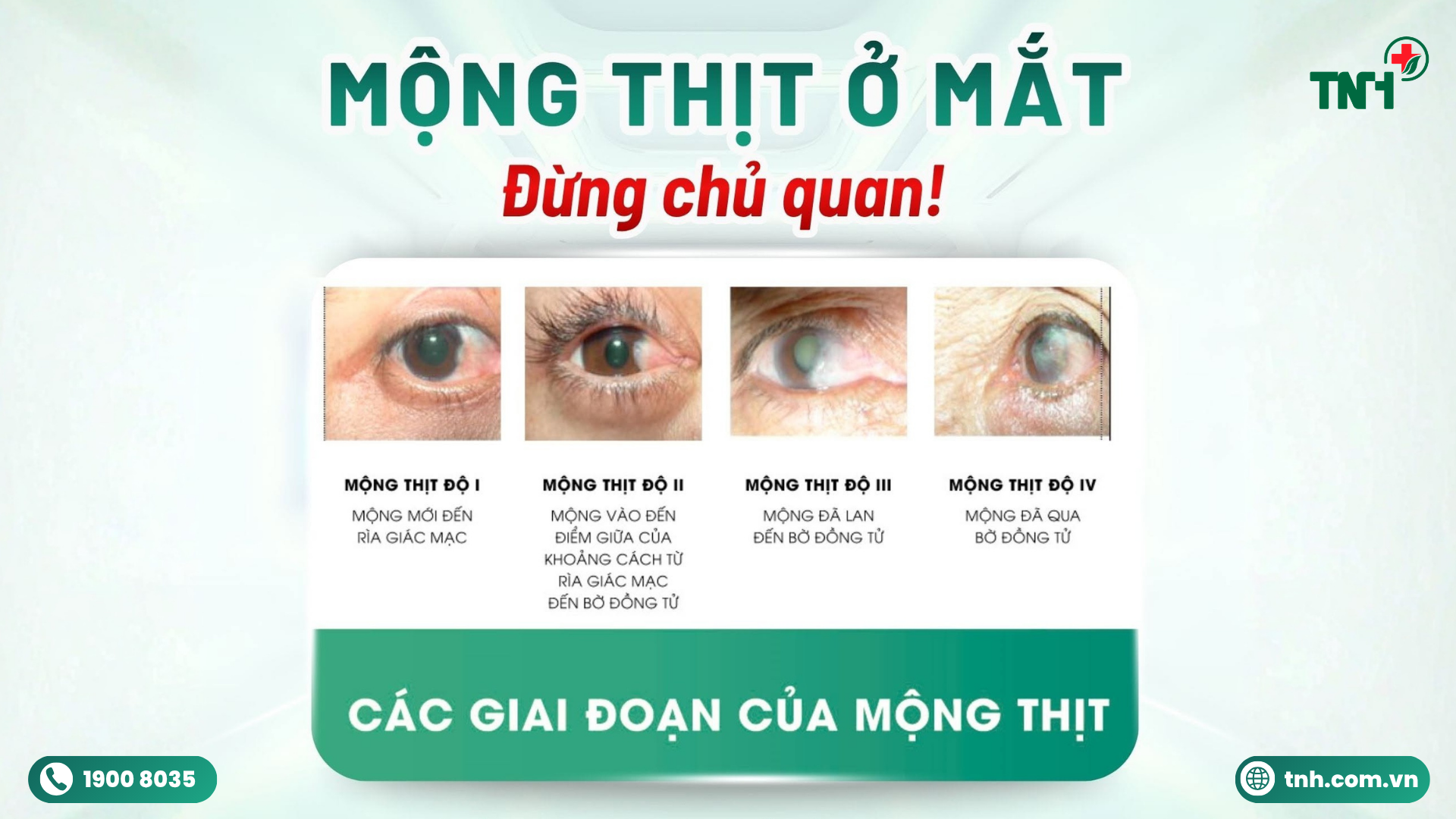
Pterygium, commonly known as a "surfer’s eye," is a condition in which the conjunctiva and fibrovascular tissue grow abnormally, forming a triangular-shaped growth that extends from the white part of the eye onto the cornea. Although it often develops slowly, untreated pterygium can affect vision and significantly impact a person's quality of life.
What Causes Pterygium?
Pterygium is primarily associated with prolonged exposure to environmental factors such as ultraviolet (UV) radiation from sunlight, wind, dust, smoke, and hot, dry climates. Individuals who spend a significant amount of time outdoors are at a higher risk of developing the condition.
Common Signs and Symptoms
In its early stages, pterygium may cause mild but persistent discomfort. Common symptoms include:
- A gritty or foreign body sensation in the eye
- Eye redness and irritation
- Excessive tearing
- Symptoms that worsen when exposed to wind, dust, or smoke
As the pterygium enlarges and extends further onto the cornea, it may induce astigmatism, leading to blurred vision and reduced visual quality.
Can Pterygium Be Treated with Eye Drops?
Pterygium does not resolve on its own and cannot be cured with eye drops or traditional home remedies. While certain medications may temporarily relieve irritation and inflammation, they cannot eliminate the growth.
Eye specialists strongly advise against attempting to remove or treat pterygium through unproven methods, as doing so may damage the cornea, increase the risk of infection, and potentially result in serious vision complications.
How Is Pterygium Treated?
Surgical excision remains the most effective treatment for pterygium, particularly in cases where:
- The growth extends onto the cornea and affects vision
- Persistent redness and irritation interfere with daily activities
- The condition causes cosmetic concerns or discomfort
Early ophthalmic evaluation allows specialists to assess the severity of the condition and recommend the most appropriate treatment plan, helping to preserve vision and prevent complications.
How Can Pterygium Be Prevented?
Several preventive measures can help reduce the risk of developing pterygium and lower the chance of recurrence after treatment:
- Wear sunglasses with UV protection when outdoors
- Use a wide-brimmed hat to reduce sun exposure
- Wear protective eyewear when working in dusty or windy environments
- Schedule regular eye examinations for early detection of eye disorders
If you notice an abnormal reddish growth on the eye, persistent irritation, or prolonged eye redness, it is important to seek prompt evaluation by an eye care specialist.
Comprehensive Eye Care at Thai Nguyen International Hospital
The Ophthalmology Department of Thai Nguyen International Hospital provides comprehensive eye examinations, early detection, and effective treatment for a wide range of eye conditions, helping patients protect and preserve their vision for a better quality of life.