







 Book an appointment
URTICARIA AND ANGIOEDEMA: EARLY RECOGNITION AND PROPER MANAGEMENT TO PREVENT COMPLICATIONS
 Posted date: 21/10/2026
 Posted by: Nông Đức Thắng


Quick view of main content
What Are Urticaria and Angioedema? Recognizing the Symptoms
Common Causes and Triggering Factors
Proper Management and Treatment of Urticaria and Angioedema
When Should Patients Consult a Dermatologist?
Urticaria and Angioedema Examination and Treatment at TNH Viet Yen Hospital
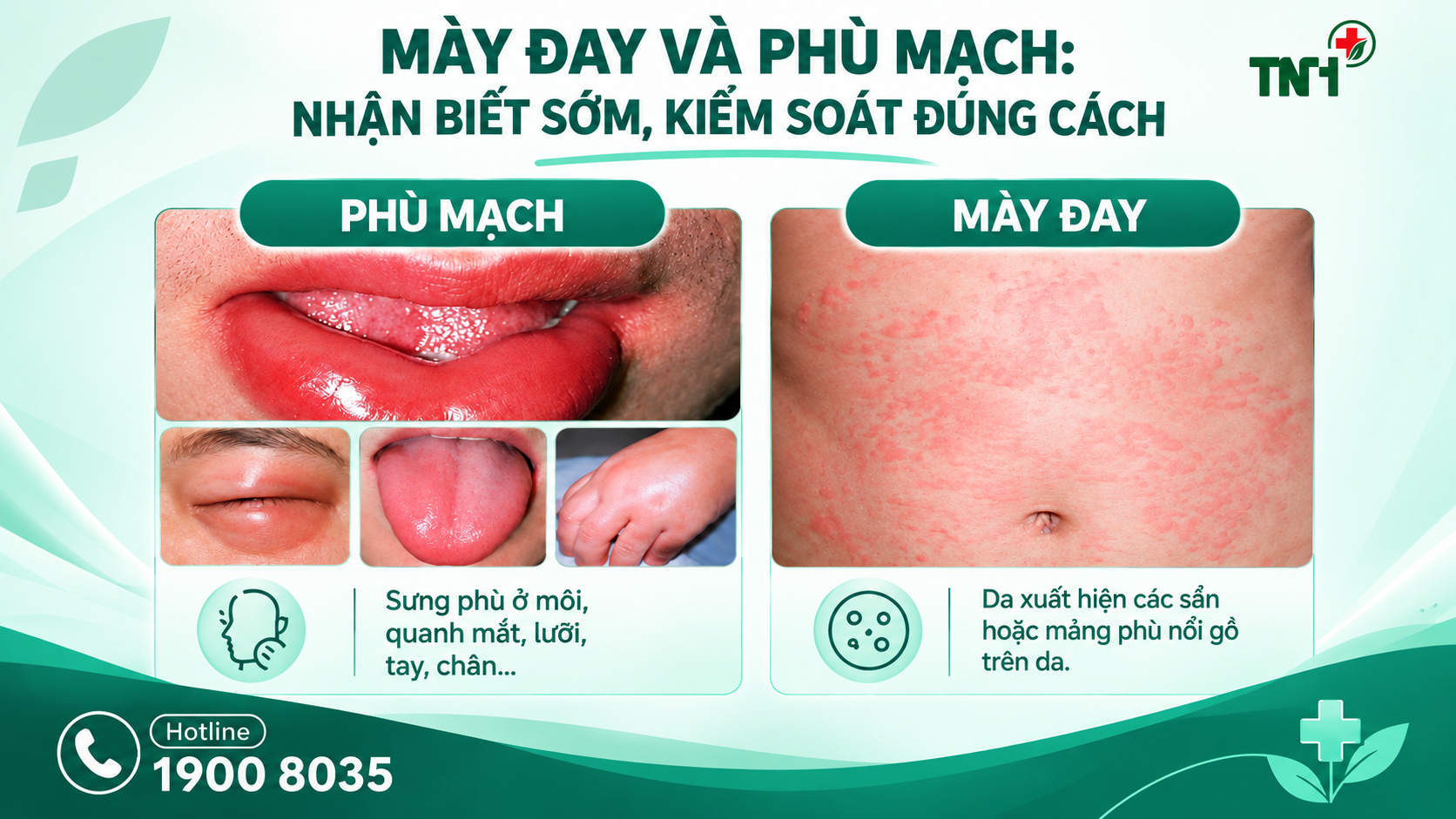
Urticaria (hives) and angioedema are common conditions that can develop suddenly, recur frequently, and significantly affect patients' daily activities and quality of life. In particular, angioedema involving the tongue, throat, or airways can lead to life-threatening complications if not treated promptly. Early recognition of symptoms, identification of triggering factors, and appropriate treatment play essential roles in controlling these conditions and reducing the risk of recurrence.
What Are Urticaria and Angioedema? Recognizing the Symptoms
Urticaria and angioedema can both be associated with the body's reactions to various triggers. However, they differ in their clinical manifestations and the extent of tissue involvement.
Urticaria (hives) is characterized by raised wheals or swollen patches on the skin, often pink or red in appearance and accompanied by itching. These lesions may develop anywhere on the body, vary in shape and size, and typically disappear within 24 hours at the same location without leaving any marks.
Based on the duration of symptoms, urticaria is classified into two categories:
- Acute urticaria: Symptoms lasting less than six weeks.
- Chronic urticaria: Recurrent or persistent hives lasting six weeks or longer.
Angioedema involves swelling in the deeper layers of the skin or mucous membranes, commonly affecting the lips, areas around the eyes, tongue, hands, and feet. Unlike urticaria, angioedema is more likely to cause tightness, pain, or a burning sensation rather than itching. The swelling may persist for several hours to several days.
Urticaria and angioedema may occur independently or simultaneously. In some cases, angioedema can affect the respiratory tract and become life-threatening.
Warning: If symptoms such as tongue swelling, throat swelling, difficulty breathing, sudden hoarseness, or a sensation of tightness in the throat occur, immediate emergency medical attention is required. These may indicate airway swelling or a severe allergic reaction.
Common Causes and Triggering Factors
Urticaria and angioedema may be associated with various causes. Identifying potential triggers helps physicians select appropriate treatment strategies and provide effective preventive guidance.
Common triggering factors include:
- Foods: Certain foods may trigger allergic reactions in susceptible individuals.
- Medications: Antibiotics, pain relievers, anti-inflammatory drugs, and certain medications used to treat other medical conditions.
- Infections: Viral and bacterial infections may be associated with the development of urticaria.
- Insect stings or bites: These may cause localized reactions or systemic allergic responses.
- Physical and environmental factors: Heat, cold, pressure on the skin, sunlight exposure, or contact with certain chemicals.
In addition, some cases of chronic urticaria have no identifiable external trigger. Angioedema may also be associated with certain medications or hereditary disorders and is not necessarily caused by an allergic reaction.
Therefore, patients should avoid making assumptions about the underlying cause and seek professional medical evaluation based on their symptoms, medical history, and individual risk factors.
Proper Management and Treatment of Urticaria and Angioedema
Treatment for urticaria and angioedema depends on the underlying cause, symptom severity, duration of the condition, and each patient's overall health status.
For effective disease management, patients should consider the following recommendations:
Identify and avoid triggering factors: Monitor potential factors associated with symptom onset and minimize exposure once a specific trigger has been identified.
Follow medical treatment instructions: Depending on the condition, physicians may prescribe antihistamines or other appropriate treatments to control symptoms.
Monitor disease progression and recurrence: Patients with chronic urticaria or recurrent angioedema may require further evaluation to identify underlying causes and develop a long-term treatment plan.
Avoid self-medication or unauthorized dosage adjustments: Patients should not combine medications, increase dosages, or use corticosteroids for prolonged periods without medical supervision, as this may increase the risk of adverse effects.
Importantly, angioedema does not always respond to conventional antihistamines. Therefore, identifying the underlying mechanism and selecting the appropriate treatment approach are essential.
When Should Patients Consult a Dermatologist?
Patients should seek medical evaluation if they experience any of the following:
- Hive-like skin lesions persisting for more than 24 hours at the same location.
- Skin lesions associated with pain, burning sensations, or changes in pigmentation after resolution.
- Frequent or persistent episodes of urticaria that interfere with sleep or daily activities.
- Recurrent angioedema or accompanying unusual symptoms.
- Symptoms that do not improve despite following prescribed treatment.
A medical examination enables physicians to assess the condition, distinguish it from other diseases with similar symptoms, identify contributing factors, and recommend appropriate treatment.
Urticaria and Angioedema Examination and Treatment at TNH Viet Yen Hospital
At the Department of Dermatology – TNH Viet Yen Hospital, patients can receive medical examinations, consultations, and treatment for various dermatological conditions, including urticaria and angioedema.
Through a comprehensive review of medical history, clinical assessment, and additional diagnostic tests when necessary, physicians provide treatment recommendations tailored to each patient's condition. Patients also receive guidance on skincare, symptom monitoring, and minimizing exposure to potential triggers to reduce the risk of recurrence.
Although urticaria and angioedema are common conditions, they should not be underestimated, particularly when symptoms persist, recur frequently, or involve the respiratory tract. Proactive medical consultation, adherence to prescribed treatment, and proper health monitoring are essential for effective disease management, complication prevention, and improved quality of life.
For consultations and appointments at the Department of Dermatology – TNH Viet Yen Hospital, please contact our hotline at 1900 8035.
TNH HOSPITAL GROUP JOINT STOCK COMPANY
Hotline: 1900 8035
Website: https://tnh.com.vn
TNH Hospital Network:
- TNH Viet Yen Hospital: Nguyen The Nho Street, Viet Yen Ward, Bac Ninh Province.
- Thai Nguyen International Hospital: No. 328 Luong Ngoc Quyen Street, Phan Dinh Phung Ward, Thai Nguyen Province.
- TNH Pho Yen Hospital: Tran Nguyen Han Street, Truong Thinh Residential Area, Van Xuan Ward, Thai Nguyen Province.
- TNH Lang Son Hospital: Block 10, Nhi Thanh Street, Tam Thanh Ward, Lang Son Province.