







 Book an appointment
NO PAIN, NO SYMPTOMS – POLYPS CAN STILL DEVELOP INTO CANCER
 Posted date: 23/06/2026
 Posted by: Nông Đức Thắng

Quick view of main content
Gastrointestinal Endoscopy: An Effective Solution for Early Detection and Polyp Removal
Take a Proactive Approach to Protect Your Digestive Health
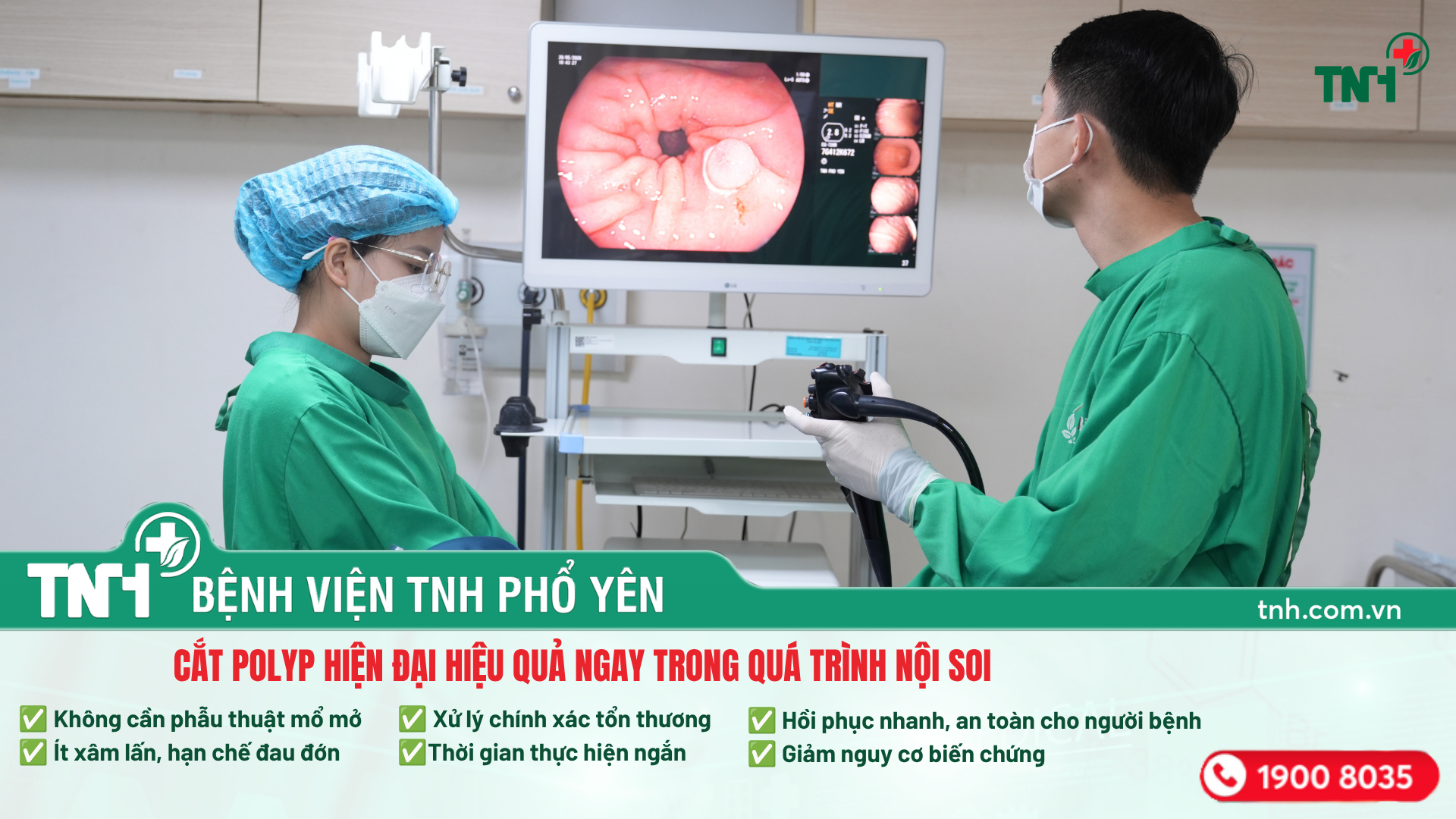
Many people only consider gastrointestinal examinations when they experience symptoms such as abdominal pain, bloating, digestive disorders, or changes in bowel habits. However, in reality, a significant number of gastric and colorectal polyps are discovered in individuals who appear completely healthy and show no warning signs.
What is particularly concerning is that some polyps can grow silently for years without causing any symptoms. If left undetected and untreated, these lesions may gradually develop into cancer, posing a serious threat to health and quality of life.
Gastrointestinal Endoscopy: An Effective Solution for Early Detection and Polyp Removal
Gastroscopy and colonoscopy are among the most effective methods for detecting abnormalities within the digestive tract at an early stage. In addition to diagnosis, endoscopy allows physicians to remove polyps during the same procedure, helping to prevent their progression to cancer in the future.
At the Department of Functional Diagnostics, TNH Pho Yen Hospital, endoscopic polypectomy is routinely performed, enabling effective treatment immediately upon detection. This minimally invasive procedure offers numerous benefits, including:
- No need for open surgery.
- Minimally invasive with reduced discomfort.
- Precise removal of lesions.
- Lower risk of complications.
- Faster recovery and enhanced patient safety.
Take a Proactive Approach to Protect Your Digestive Health
With modern medical equipment, an experienced team of physicians, and a one-way sterile endoscopy process, TNH Pho Yen Hospital is committed to ensuring patient safety throughout examination, treatment, and post-procedure follow-up. Patients receive comprehensive guidance on aftercare, follow-up schedules, and periodic monitoring to achieve optimal treatment outcomes.
Medical experts recommend not waiting until symptoms appear before seeking evaluation. Regular gastrointestinal endoscopic screening—especially for individuals over 40 years of age or those with risk factors for digestive diseases—is an important measure for the early detection of precancerous lesions, improving treatment effectiveness and protecting the health of both individuals and their families.
Taking proactive steps for screening today is an investment in a healthier tomorrow.