






 Book an appointment
Hypertensive Crisis: Don't Let a Few Minutes of Delay Lead to a Stroke
 Posted date: 14/07/2026
 Posted by: Nông Đức Thắng

Quick view of main content
What Is a Hypertensive Emergency?
Hypertensive Urgency
Hypertensive Emergency
Warning Signs You Should Never Ignore
What Should You Do If Your Blood Pressure Suddenly Spikes?
Preventing a Hypertensive Emergency
TNH Hospital Group – Your Partner in Blood Pressure Management
Contact Information
Hospital Network
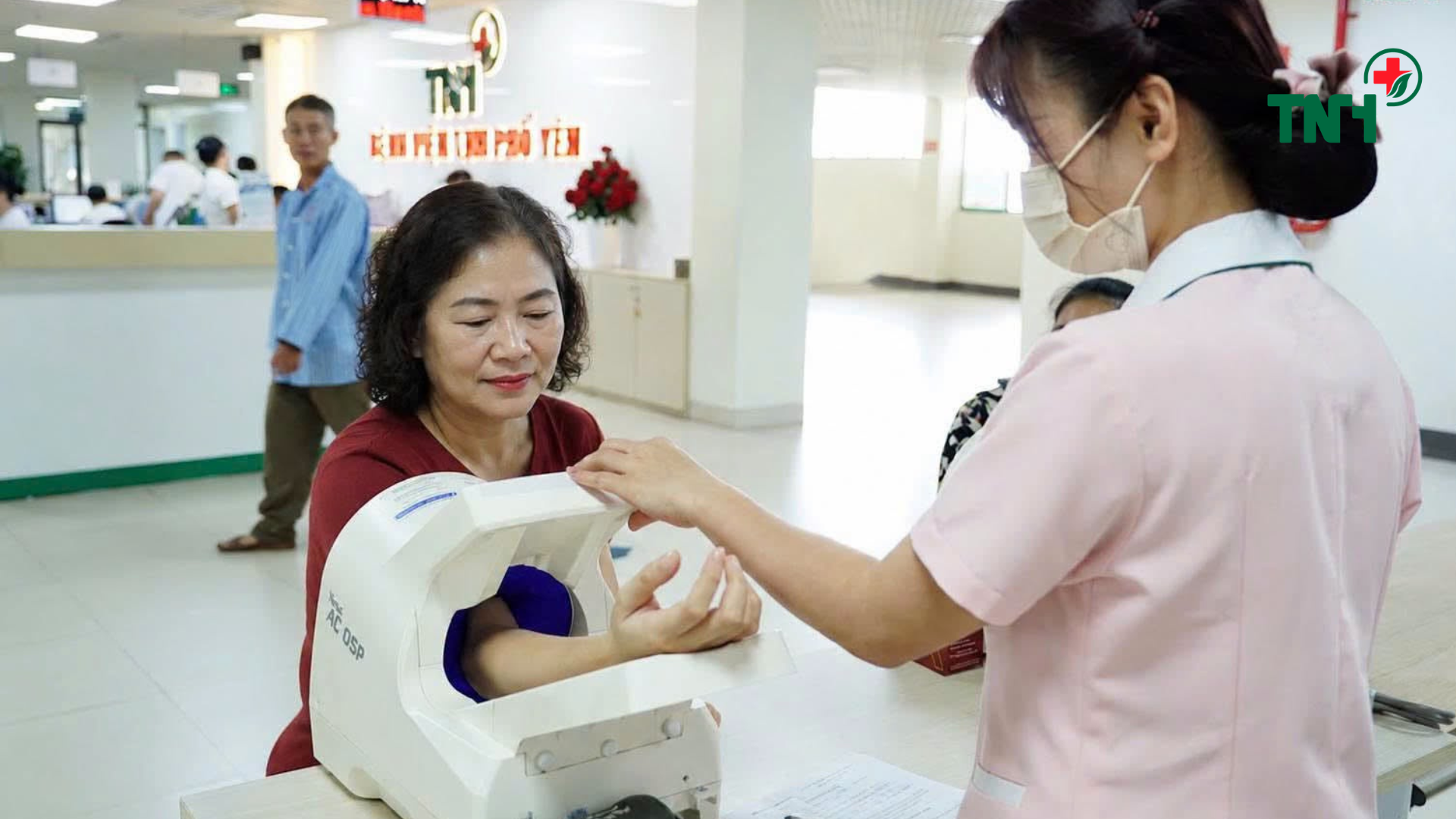
"It's just a headache. I'll rest for a while, and it'll go away."
This is a common thought when blood pressure suddenly rises. However, in reality, just a few minutes of delay can turn what seems like a simple headache into a stroke, heart failure, kidney damage, or other life-threatening complications.
According to medical experts, a sudden spike in blood pressure is not merely an abnormal reading—it may be a sign of a hypertensive emergency, a condition that requires immediate medical treatment to protect the patient's life.
What Is a Hypertensive Emergency?
Blood pressure is considered critically high when it reaches 180/120 mmHg or higher. However, the severity of the condition depends not only on the blood pressure reading but also on whether target organ damage has occurred.
There are two important conditions to distinguish:
Hypertensive Urgency
Hypertensive urgency refers to a severe elevation in blood pressure without acute damage to vital organs such as the brain, heart, kidneys, or eyes. Although immediate hospitalization may not always be necessary, prompt medical evaluation and treatment are essential to prevent complications.
Hypertensive Emergency
A hypertensive emergency occurs when severely elevated blood pressure is accompanied by acute target organ damage, which may affect:
- The brain (stroke or intracranial hemorrhage).
- The heart (acute heart failure or heart attack).
- The kidneys (acute kidney injury).
- Blood vessels (aortic dissection and other life-threatening vascular complications).
This is a medical emergency that requires immediate treatment to reduce the risk of death and permanent disability.
Warning Signs You Should Never Ignore
Seek emergency medical care immediately if high blood pressure is accompanied by any of the following symptoms:
- Severe headache.
- Chest pain or tightness.
- Shortness of breath.
- Blurred vision or double vision.
- Facial drooping or difficulty speaking.
- Weakness or paralysis of an arm or leg.
- Confusion or altered consciousness.
- Seizures.
Do not wait for these symptoms to resolve on their own. Every minute of delay may result in irreversible damage to the brain, heart, and kidneys.
What Should You Do If Your Blood Pressure Suddenly Spikes?
If you experience a sudden increase in blood pressure, remain calm and take the following steps:
- Stay calm and recheck your blood pressure if you have a home blood pressure monitor.
- If your blood pressure is 180/120 mmHg or higher and you have any warning symptoms, call emergency medical services or go to the nearest hospital immediately.
- While waiting for medical assistance, have the patient rest in a comfortable position with the head elevated and loosen any tight clothing to make breathing easier.
Importantly, do not self-medicate with fast-acting blood pressure-lowering drugs or rely on home remedies. Lowering blood pressure too quickly can reduce blood flow to vital organs and potentially worsen the condition.
Preventing a Hypertensive Emergency
According to M.Sc., M.D. Trieu Xuan Duyet, Department of Emergency and Intensive Care, TNH Pho Yen Hospital, preventing a hypertensive emergency requires patients to:
- Take prescribed medications exactly as directed by their physician.
- Never stop or change medications without medical advice.
- Monitor blood pressure regularly at home.
- Maintain a healthy, low-sodium diet.
- Exercise regularly as recommended.
- Maintain a healthy body weight, avoid excessive alcohol consumption, and refrain from smoking.
- Undergo regular health check-ups to detect and manage cardiovascular risk factors early.
Effective blood pressure control not only helps prevent stroke but also protects the heart, brain, kidneys, and overall long-term health.
TNH Hospital Group – Your Partner in Blood Pressure Management
Hypertension is a chronic condition, but it can be effectively managed through early detection, appropriate treatment, and regular monitoring. If you experience symptoms suggestive of a hypertensive emergency, do not attempt to manage the condition at home. Seek immediate medical attention for timely evaluation and treatment.
Don't let a moment of hesitation lead to irreversible complications. Managing your blood pressure today means protecting your brain, heart, and health for tomorrow.
Contact Information
TNH Hospital Group Joint Stock Company
Hotline: 1900 8035
Website: tnh.com.vn
Hospital Network
- TNH Pho Yen Hospital: Tran Nguyen Han Street, Chua Residential Area, Van Xuan Ward, Thai Nguyen Province, Vietnam.
- TNH International Hospital – Thai Nguyen: 328 Luong Ngoc Quyen Street, Phan Dinh Phung Ward, Thai Nguyen Province, Vietnam.
- TNH Viet Yen Hospital: Nguyen The Nho Street, Viet Yen Ward, Bac Ninh Province, Vietnam.
- TNH Lang Son Hospital: Block 10, Nhi Thanh Street, Tam Thanh Ward, Lang Son Province, Vietnam.