







 Book an appointment
ĐAU HẬU MÔN KÉO DÀI - CẢNH BÁO NGUY CƠ ÁP XE, TIẾN TRIỂN RÒ HẬU MÔN
 Posted date: 23/04/2026
 Posted by: Nông Đức Thắng

Quick view of main content
A Typical Clinical Case
Anal Abscess – Risk of Progression to Anal Fistula
Timely Treatment to Prevent Complications
Medical Recommendations
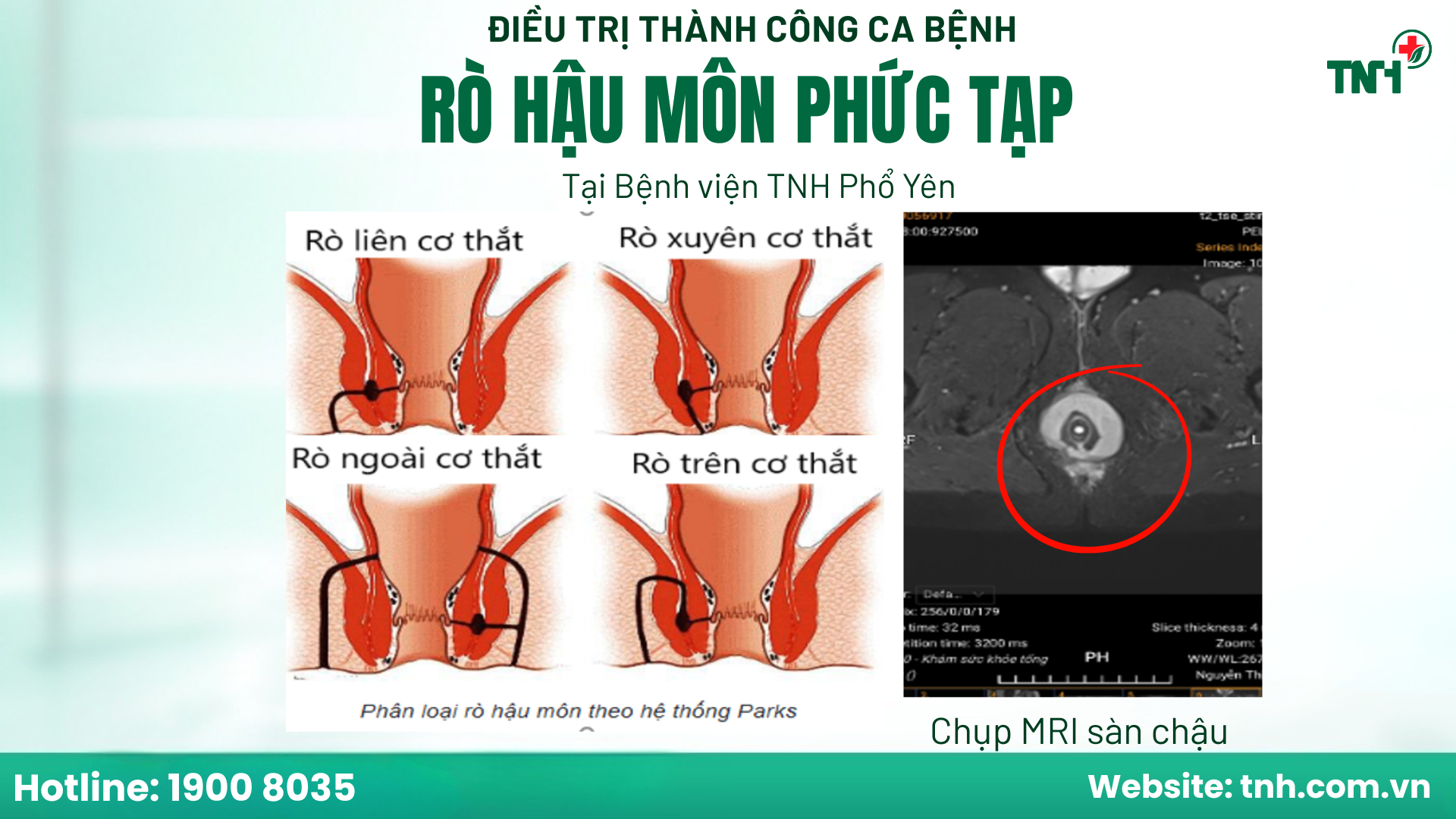
PERSISTENT ANAL PAIN – WARNING SIGNS OF ANAL ABSCESS AND PROGRESSION TO ANAL FISTULA
Persistent anal pain not only causes daily discomfort but may also signal serious conditions such as an anal abscess or progression to an anal fistula if not detected and treated promptly.
A Typical Clinical Case
Recently, TNH Pho Yen Hospital admitted a 42-year-old patient (D.M.D.) with complaints of anal pain and discomfort. Initial examination revealed a swollen, inflamed mass at the 6 o’clock position of the anus, tender to palpation and not yet ruptured—typical signs of an early-stage anal abscess.
According to the patient’s history, the swelling had appeared about three days prior. The patient had self-medicated with antibiotics at home without improvement. The pain gradually worsened, affecting daily activities and leading to hospital admission.
Anal Abscess – Risk of Progression to Anal Fistula
An anal fistula is a chronic infection of the anorectal region, with a relatively high prevalence—second only to hemorrhoids. It causes persistent pain, discomfort, and significantly impacts quality of life.
The condition often begins with infection of the anal glands, leading to inflammation and pus accumulation, forming an abscess. When the abscess ruptures, it can create an abnormal tract (fistula) connecting the anal canal to the skin surface. This tract contains chronic inflammatory tissue, making recurrence likely if not treated definitively.
Timely Treatment to Prevent Complications
Upon admission, the patient was managed by Dr. Nong Duc Thach, Deputy Head of the General Surgery Department. After confirming the diagnosis, the patient underwent surgical drainage of the abscess, ensuring safety and effectiveness.
Postoperatively, the patient was closely monitored and treated with antibiotics, anti-inflammatory medications, and anti-edema therapy to promote recovery and minimize complications.
After five days of treatment, the patient’s condition improved significantly: alert, stable vital signs, marked pain relief. The surgical wound healed well, with reduced discharge and no signs of spreading infection. Bowel function returned to normal, indicating a favorable recovery.
Medical Recommendations
Dr. Nong Duc Thach advises that individuals at higher risk of anal fistula (such as those with a history of anal abscess, chronic constipation, or Crohn’s disease) should:
- Maintain good anal hygiene, keeping the area clean and dry
- Increase dietary fiber intake
- Drink 1.5–2 liters of water daily
- Avoid straining during bowel movements
If symptoms such as painful swelling, pus or bleeding, itching, or abnormal lumps around the anus occur, patients should seek medical attention promptly for proper diagnosis and timely treatment to prevent serious complications.
Do not underestimate persistent anal pain—neglecting symptoms can lead to prolonged disease, recurrence, and significant impact on quality of life.
TNH HOSPITAL GROUP JOINT STOCK COMPANY
Hotline: 1900 8035
Website: https://tnh.com.vn
Hospital Network:
- TNH Pho Yen Hospital – Tran Nguyen Han Street, Chua Residential Area, Van Xuan Ward, Thai Nguyen
- TNH Lang Son Hospital – 189 Ben Bac Street, Tam Thanh Ward, Lang Son
- Thai Nguyen International Hospital – 328 Luong Ngoc Quyen Street, Phan Dinh Phung Ward, Thai Nguyen
- TNH Viet Yen Hospital – Nguyen The Nho Street, Viet Yen Ward, Bac Ninh