







 Book an appointment
MIGRAINE HEADACHES – DON'T IGNORE RECURRENT HEADACHE EPISODES!
 Posted date: 05/11/2026
 Posted by: Nông Đức Thắng


Quick view of main content
What Is Migraine? Common Signs and Symptoms
Common Triggers and Factors Contributing to Migraine Recurrence
Proactive Migraine Management for a Better Quality of Life
When Should Patients Seek Medical Attention for Headaches?
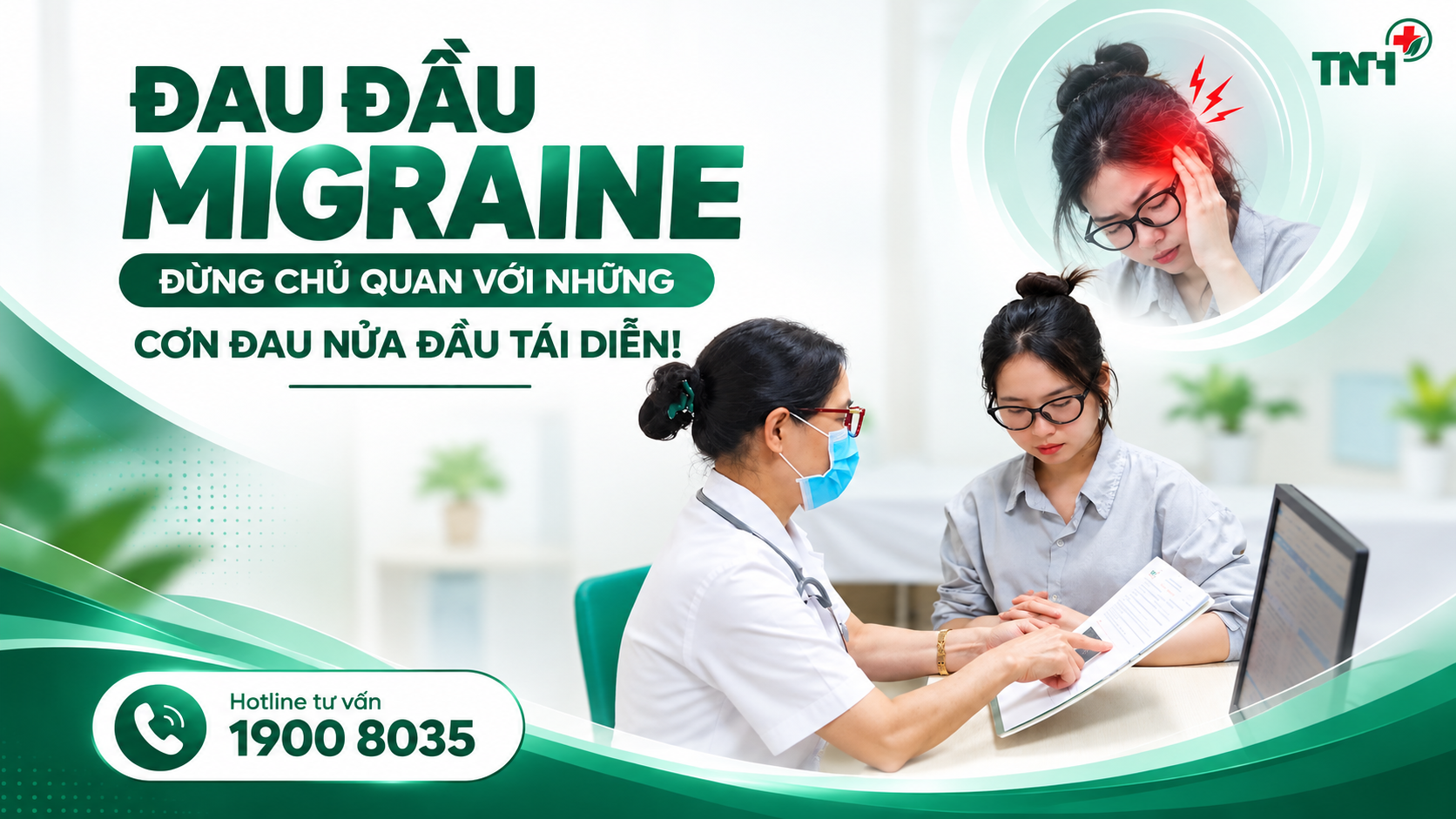
Recurring headaches, throbbing pain, nausea, and sensitivity to light or sound may be signs of migraine – a common neurological disorder characterized by recurrent episodes that can significantly affect daily activities and quality of life. Early recognition of symptoms, identification of triggers, and appropriate treatment play essential roles in managing migraine, reducing the frequency and severity of attacks, and improving overall well-being.
What Is Migraine? Common Signs and Symptoms
Migraine is a primary headache disorder characterized by recurrent episodes of moderate to severe pain. The pain typically affects one side of the head but may also occur on both sides. It is often described as throbbing or pulsating and can last from 4 to 72 hours if left untreated or inadequately treated.
In addition to headaches, individuals with migraine may experience nausea, vomiting, sensitivity to light and sound, as well as fatigue and difficulty concentrating after an attack.
Based on clinical characteristics, migraine is generally classified into two main types:
- Migraine with Aura: Individuals experience temporary neurological symptoms before or during a headache, such as flashing lights, blind spots, tingling or numbness in the hands or face, and occasionally difficulty speaking.
- Migraine without Aura: Headache attacks occur without preceding neurological warning signs. The pain often worsens with physical activity and may be accompanied by nausea, vomiting, and increased sensitivity to light or sound.
Migraine symptoms can vary from person to person and may change between episodes. Therefore, medical consultation and specialist evaluation are important for accurately identifying the cause of recurrent headaches.
Common Triggers and Factors Contributing to Migraine Recurrence
Migraine is associated with genetic factors and changes in nervous system activity. In addition, certain environmental conditions and lifestyle habits may trigger attacks in susceptible individuals.
Common triggers include:
- Stress and Sleep Disturbances: Prolonged psychological stress, insufficient sleep, or irregular sleeping patterns may increase the likelihood of migraine attacks.
- Hormonal Changes: Fluctuations in hormone levels, particularly during the menstrual cycle, may contribute to migraine episodes in women.
- Environmental Factors: Weather changes, bright lights, loud noises, or strong odors may trigger headaches.
- Diet and Lifestyle Habits: Skipping meals, dehydration, alcohol consumption, or certain foods may act as migraine triggers in sensitive individuals.
Identifying factors associated with individual migraine episodes is essential for developing effective prevention strategies and long-term management plans.
Proactive Migraine Management for a Better Quality of Life
Although migraine tends to recur, it can often be effectively managed through lifestyle modifications, trigger identification, and appropriate medical treatment.
To reduce the frequency and severity of migraine attacks, individuals are encouraged to adopt healthy habits, including:
- Maintaining a Regular Daily Routine: Getting sufficient sleep, eating meals on time, staying adequately hydrated, and maintaining a healthy balance between work and rest.
- Managing Migraine Triggers: Reducing stress and avoiding factors that have been identified as potential triggers.
- Monitoring Symptoms: Keeping track of the onset, frequency, duration, severity, and associated symptoms of headaches to support medical evaluation.
- Following Medical Advice: Avoiding self-medication and excessive use of pain relievers, particularly when headaches occur frequently.
For individuals experiencing frequent migraine attacks that interfere with daily activities or work, healthcare professionals may recommend acute treatment or preventive therapy depending on the patient's condition.
When Should Patients Seek Medical Attention for Headaches?
Not all headaches are caused by migraine. Certain neurological disorders and serious acute medical conditions may also present with headache symptoms.
Immediate emergency medical attention is necessary if a headache occurs suddenly and is extremely severe, or is accompanied by limb weakness or paralysis, altered consciousness, difficulty speaking, high fever, or neck stiffness.
Individuals experiencing recurrent headaches, progressively worsening pain, changes in headache patterns, or symptoms that significantly interfere with daily life should seek medical evaluation for accurate diagnosis and appropriate treatment.
Migraine is more than an ordinary headache. Without proper management, it can have a lasting impact on quality of life. Recognizing symptoms early, maintaining a healthy lifestyle, and seeking timely medical care are essential steps toward controlling migraine, reducing recurrence, and protecting long-term health.
TNH Hospital System remains committed to continuously improving the quality of medical examination and treatment services, supporting the community in the early detection, treatment, and management of health conditions, and promoting proactive, comprehensive, and long-term healthcare.
CONTACT INFORMATION
TNH HOSPITAL GROUP JOINT STOCK COMPANY
Hotline: 1900 8035
Website: https://tnh.com.vn
Our Hospital Network:
- Thai Nguyen International Hospital: No. 328 Luong Ngoc Quyen Street, Phan Dinh Phung Ward, Thai Nguyen Province, Vietnam.
- TNH Pho Yen Hospital: Tran Nguyen Han Street, Truong Thinh Residential Group, Van Xuan Ward, Thai Nguyen Province, Vietnam.
- TNH Viet Yen Hospital: Nguyen The Nho Street, Viet Yen Ward, Bac Ninh Province, Vietnam.
- TNH Lang Son Hospital: Block 10, Nhi Thanh Street, Tam Thanh Ward, Lang Son Province, Vietnam.