






 Book an appointment
WARNING SIGNS AFTER INFLUENZA IN CHILDREN – WHAT PARENTS SHOULD NEVER IGNORE
 Posted date: 07/11/2026
 Posted by: Nông Đức Thắng


Quick view of main content
What Serious Complications Can Influenza Cause in Children?
Warning Signs Parents Should Pay Special Attention To
Preventing Influenza – Protecting Children's Health
Early Recognition and Timely Treatment Help Prevent Serious Complications
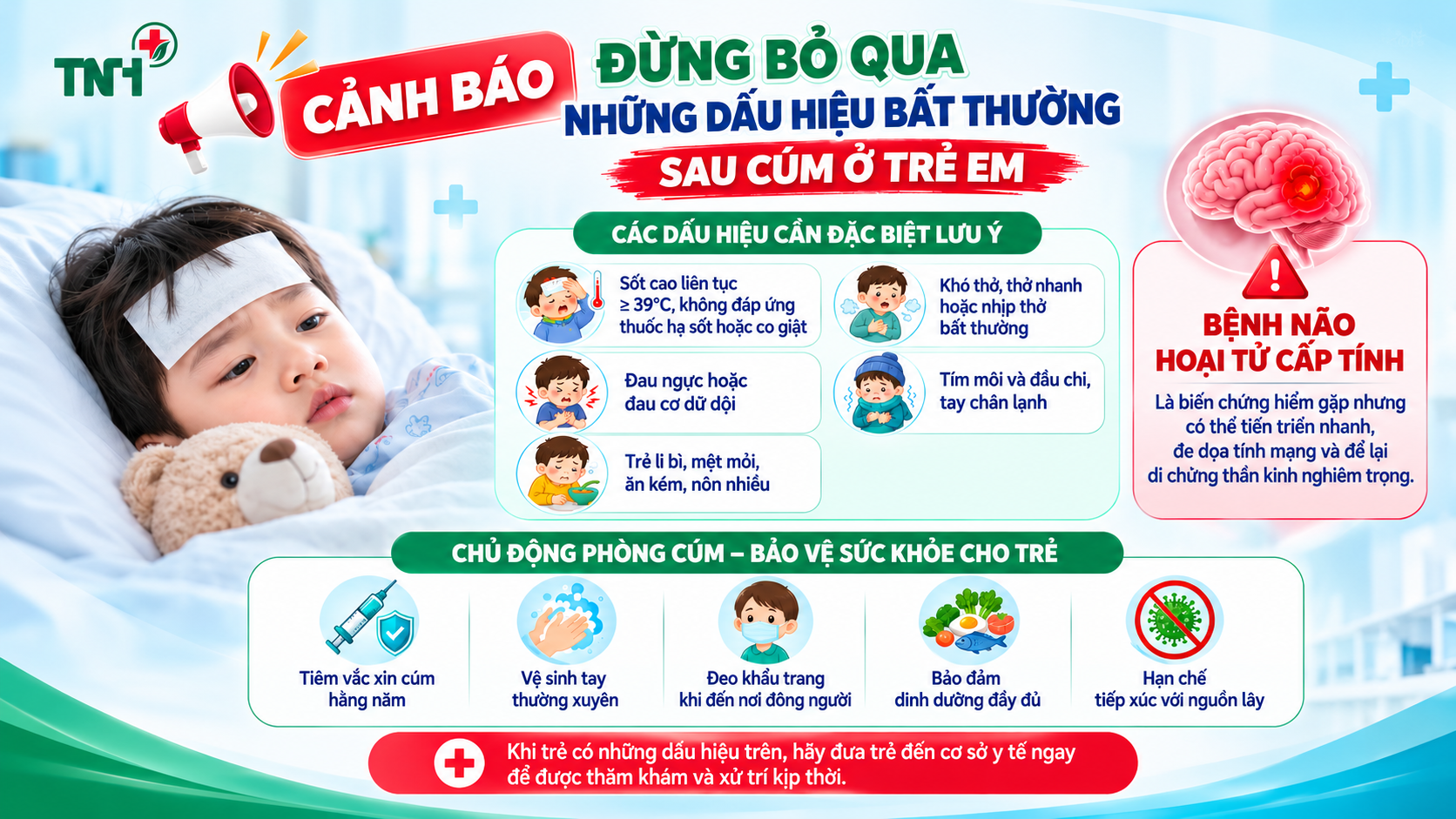
Influenza is a common respiratory infectious disease in children, with most cases resolving within a few days to approximately one week. However, the illness can sometimes lead to serious complications, particularly in young children and those with underlying medical conditions. Early recognition of warning signs and timely medical attention play a crucial role in preventing complications and protecting children's health and lives.
What Serious Complications Can Influenza Cause in Children?
Seasonal influenza is an acute respiratory infection caused by influenza viruses. Common symptoms include fever, cough, sore throat, runny nose, body aches, and fatigue. Most children recover with appropriate care and monitoring. However, in some cases, the infection may progress to severe illness and affect multiple organs.
Potentially serious complications include pneumonia, respiratory failure, myocarditis, encephalitis, and multiple organ damage. Children under five years of age, those with chronic medical conditions, and those with weakened immune systems are at greater risk of developing severe complications.
One particularly dangerous but rare neurological complication is Acute Necrotizing Encephalopathy (ANE). This condition may occur following viral infections, including influenza, and can progress rapidly, causing impaired consciousness, seizures, and severe brain injury. Without timely diagnosis and treatment, ANE can be life-threatening or result in long-term neurological complications.
Warning Signs Parents Should Pay Special Attention To
During influenza infection, or even after the initial symptoms begin to improve, parents should continue to closely monitor their child's health. Particular attention should be paid to the following warning signs:
- Persistent high fever: A temperature of 39°C (102.2°F) or higher, fever that is difficult to control, prolonged fever, or seizures.
- Difficulty breathing or rapid breathing: Shortness of breath, abnormally fast breathing, chest retractions, or visible difficulty breathing.
- Severe chest pain or muscle pain: Significant pain or discomfort, including muscle pain severe enough to make walking or moving difficult.
- Bluish lips or extremities, or cold hands and feet: These may indicate inadequate oxygenation or circulatory problems requiring urgent medical evaluation.
- Lethargy or altered consciousness: Unusual exhaustion, difficulty waking up, delayed responses, repeated vomiting, seizures, or other abnormal neurological symptoms.
These symptoms may indicate worsening illness or the development of serious complications. In particular, signs such as difficulty breathing, bluish discoloration, seizures, altered consciousness, or difficulty waking up require immediate emergency medical attention rather than continued observation at home.
Parents should also be alert to signs of dehydration, inability to drink fluids, reduced urination, or fever and cough that return or worsen after initially improving.
Preventing Influenza – Protecting Children's Health
Proactive prevention is essential to reducing the risk of influenza infection and its potentially serious complications. Doctors recommend that parents take the following preventive measures:
Annual influenza vaccination: Children aged six months and older should receive influenza vaccination according to recommended immunization schedules. Vaccination helps reduce the risk of influenza and severe complications.
Maintaining good personal hygiene: Encourage children to wash their hands regularly with soap and water or use appropriate hand sanitizer, cover their mouths when coughing or sneezing, and avoid touching their eyes, nose, and mouth.
Practicing respiratory infection prevention measures: Limit close contact with people who are ill, maintain good ventilation in living spaces, and use appropriately fitted face masks when necessary.
Ensuring adequate nutrition and rest: Provide a balanced diet, sufficient hydration, adequate sleep, and age-appropriate physical activities to support children's overall health.
Monitoring children's health during influenza infection: Parents should closely observe symptoms, follow medical advice, and avoid administering medications without professional guidance, particularly antibiotics or antiviral medications that have not been prescribed.
Early Recognition and Timely Treatment Help Prevent Serious Complications
Although most children with influenza recover without complications, parents should remain vigilant when unusual symptoms develop, especially those involving the respiratory, circulatory, or nervous systems.
If a child shows signs of possible complications, parents should promptly seek medical attention for a thorough examination, assessment, and appropriate treatment. Delaying medical care or attempting to manage serious symptoms at home may increase the risk of disease progression and severe outcomes.
Proactive prevention, close monitoring of warning signs, and timely medical intervention are essential to reducing complications and safeguarding children's health and well-being.
CONTACT INFORMATION
TNH HOSPITAL GROUP JOINT STOCK COMPANY
Hotline: 1900 8035
Website: https://tnh.com.vn
TNH Hospital Network:
- TNH Viet Yen Hospital: Nguyen The Nho Street, Viet Yen Ward, Bac Ninh, Vietnam.
- Thai Nguyen International Hospital: No. 328, Luong Ngoc Quyen Street, Phan Dinh Phung Ward, Thai Nguyen, Vietnam.
- TNH Pho Yen Hospital: Tran Nguyen Han Street, Truong Thinh Residential Area, Van Xuan Ward, Thai Nguyen, Vietnam.
- TNH Lang Son Hospital: Block 10, Nhi Thanh Street, Tam Thanh Ward, Lang Son, Vietnam.