







 Book an appointment
CẢNH BÁO GIA TĂNG BỆNH TAY CHÂN MIỆNG: HƯỚNG DẪN NHẬN BIẾT VÀ PHÒNG NGỪA
 Posted date: 02/03/2026
 Posted by: Nguyễn Kim Bình

Quick view of main content
Causes and Transmission Routes
Signs and Symptoms of Hand, Foot and Mouth Disease in Children
Preventive Measures for Children
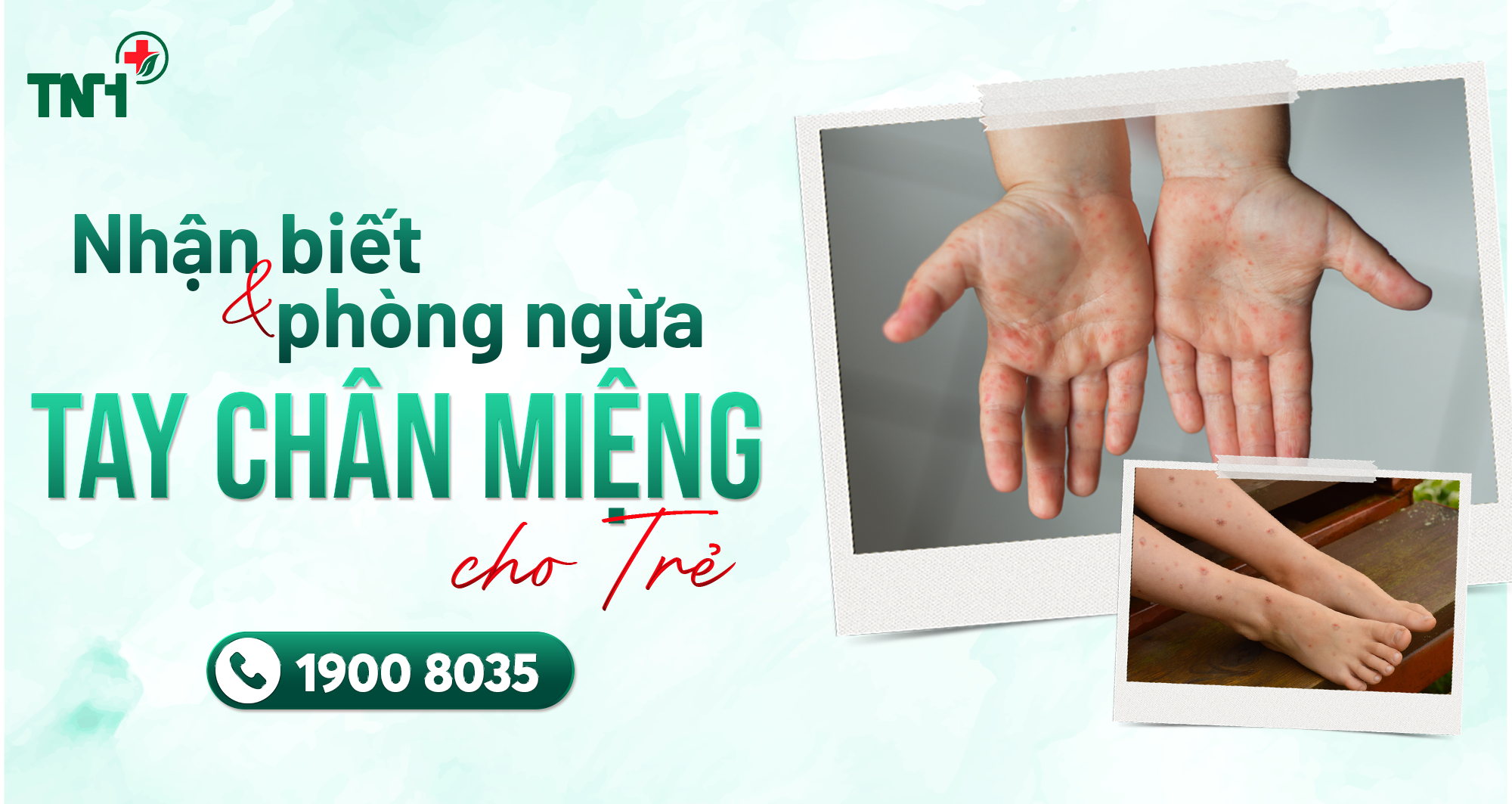
Notably, in just the first month of 2026, many localities have recorded more than 200 cases, indicating that the risk of outbreaks remains high, especially among young children.
Causes and Transmission Routes
Hand, foot and mouth disease (HFMD) is mainly caused by enteric viruses such as Enterovirus 71 (EV71), Coxsackievirus A16, and Coxsackievirus A6. Among them, Enterovirus 71 is considered the most dangerous strain, as it can lead to severe cases and serious complications, and has recently re-emerged.
The disease spreads very quickly, particularly among children under five years old. Transmission mainly occurs via the digestive route and through direct contact with an infected person’s secretions, such as saliva, nasal discharge, fluid from blisters, or stool—especially during the first week of illness. The virus can survive on toys and frequently touched surfaces and may be transmitted through the hands of caregivers.
Signs and Symptoms of Hand, Foot and Mouth Disease in Children
Parents should watch for the following symptoms:
- Fever, loss of appetite, fatigue, drooling
- Sore throat, mouth ulcers, pain while eating or drinking
- Blisters on the palms, soles, and buttocks
Most mild cases resolve on their own within 7–10 days with proper care and monitoring. However, in some cases, the disease can progress rapidly and cause serious complications such as meningitis, encephalitis, myocarditis, and acute pulmonary edema if not detected and treated promptly.
Currently, in Vietnam there is no vaccine available for the prevention of hand, foot and mouth disease, nor is there a specific antiviral treatment. Therefore, proactive prevention remains the safest and most effective approach.
Preventive Measures for Children
To protect children from infection, parents should:
- Avoid close contact with individuals who are infected or suspected of being infected
- Cover the mouth and nose when coughing or sneezing
- Wash hands frequently with soap, especially before meals and after using the restroom
- Prevent children from sucking their fingers or putting toys in their mouths
- Clean and disinfect toys, learning tools, and frequently touched surfaces daily
- Ensure a balanced diet rich in nutrients, including plenty of vegetables and fruits
- Avoid sharing cups, bowls, spoons, or personal towels
If a child develops symptoms such as fever, mouth ulcers, blisters, or unusual irritability, parents should promptly take the child to a medical facility for examination and monitoring to prevent dangerous complications.
For consultation and appointment booking, please contact the hotline at 1900 8025.