






 Book an appointment
Bộ Y tế khuyến cáo chủ động phòng, chống bệnh do virus Nipah
 Posted date: 26/02/2026
 Posted by: Nguyễn Kim Bình

Quick view of main content
Ministry of Health Recommends Proactive Prevention of Nipah Virus Disease
Preventive Measures Against Nipah Virus
Why Is Nipah Disease Particularly Dangerous?
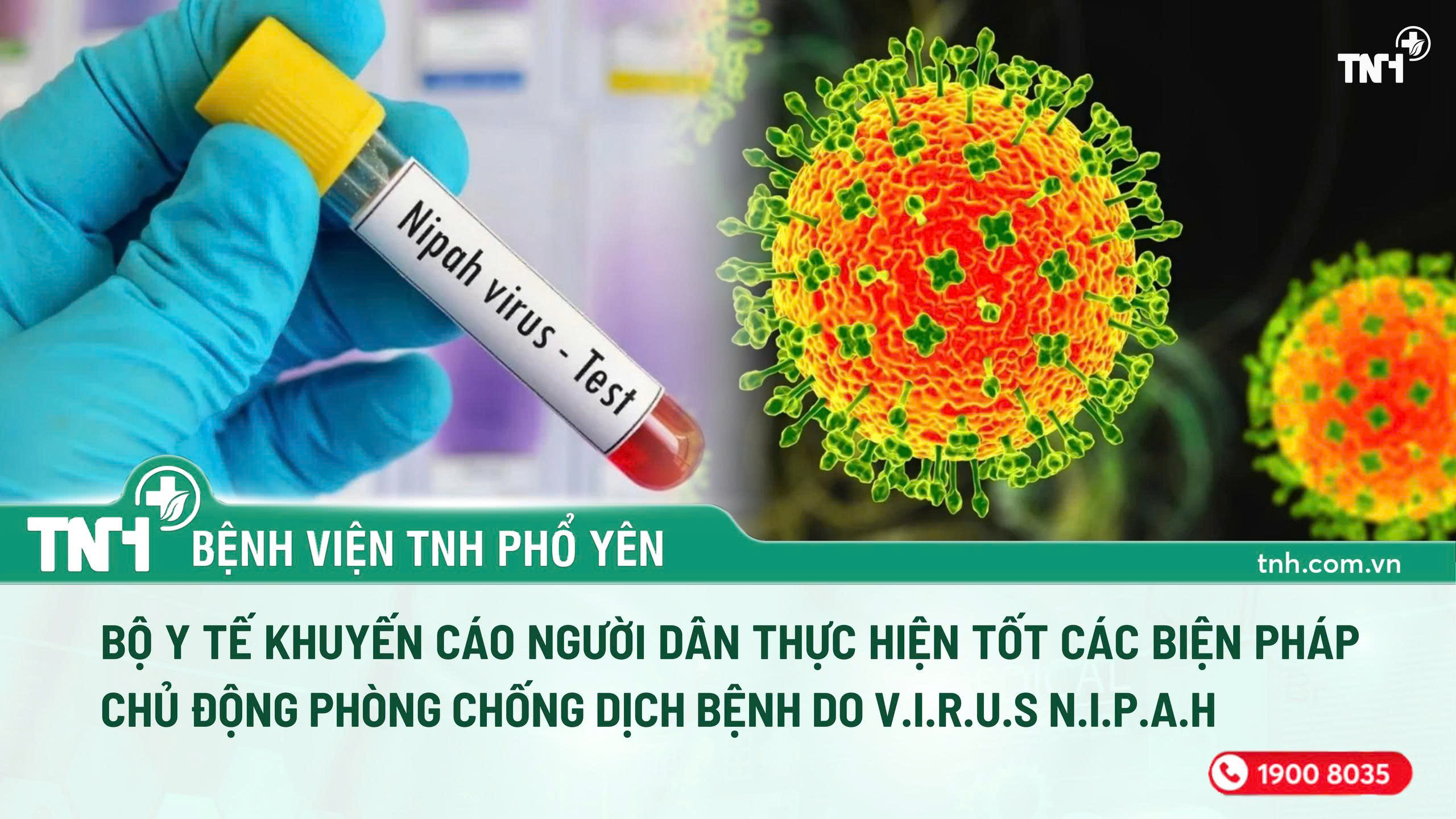
Ministry of Health Recommends Proactive Prevention of Nipah Virus Disease
The Ministry of Health advises the public to proactively implement preventive measures against Nipah virus infection — a Group A infectious disease, classified among the most dangerous communicable diseases in Vietnam.
The disease can be transmitted not only from animals to humans but also from person to person, with rapid progression and serious health consequences.
Particularly after the Lunar New Year and the early 2026 festival season, increased travel and social gatherings may elevate the risk of transmission. Therefore, heightened vigilance and proactive prevention are essential.
Preventive Measures Against Nipah Virus
Limit travel to affected areas
Avoid traveling to outbreak areas unless absolutely necessary.
Monitor health after returning from affected regions
Within 14 days of return, closely monitor your health. If symptoms such as headache, muscle pain, vomiting, sore throat, dizziness, drowsiness, confusion, or seizures occur, seek medical care immediately, limit contact with others, and clearly report your travel and exposure history.
Ensure food safety and hygiene
Practice safe food handling: eat thoroughly cooked food, drink boiled water, wash and peel fruits before consumption.
Do not consume fruits that show signs of being bitten or gnawed by bats or birds.
Avoid drinking fresh or unprocessed palm sap, coconut sap, or similar raw tree saps.
Avoid contact with high-risk animals
Refrain from close contact with fruit bats and other potentially infected animals.
Wash hands thoroughly with soap or disinfectant after slaughtering, handling, or coming into contact with animals.
Reduce community transmission risk
Avoid direct contact with suspected or confirmed patients and potentially contaminated objects.
When caring for patients, wear masks, gloves, and protective equipment, and wash hands carefully afterward.
Why Is Nipah Disease Particularly Dangerous?
Nipah virus can spread through bats, livestock, domestic animals, contaminated food products, or direct contact with bodily fluids of infected individuals.
The incubation period ranges from 4 to 14 days. During this time, infected individuals may appear healthy and unintentionally transmit the virus to others.
Early symptoms are often nonspecific — including fever, headache, muscle pain, vomiting, and sore throat — which can easily be mistaken for seasonal flu. However, the disease can rapidly progress to severe complications such as dizziness, drowsiness, altered consciousness, seizures, and acute encephalitis.
The fatality rate is extremely high, ranging from 40% to 75%.
Currently, there is no specific vaccine or antiviral treatment available for humans or animals. Therefore, prevention remains the most critical defense in protecting health and saving lives.
For consultation and medical appointments, please contact the hotline: 1900 8035.