







 Book an appointment
BỆNH ZONA – NHẬN BIẾT SỚM, ĐIỀU TRỊ KỊP THỜI ĐỂ HẠN CHẾ BIẾN CHỨNG
 Posted date: 29/04/2026
 Posted by: Nông Đức Thắng

Quick view of main content
A common viral skin condition
1. Clinical manifestations
2. Possible complications
3. Treatment approach
4. Prevention
Examination and consultation
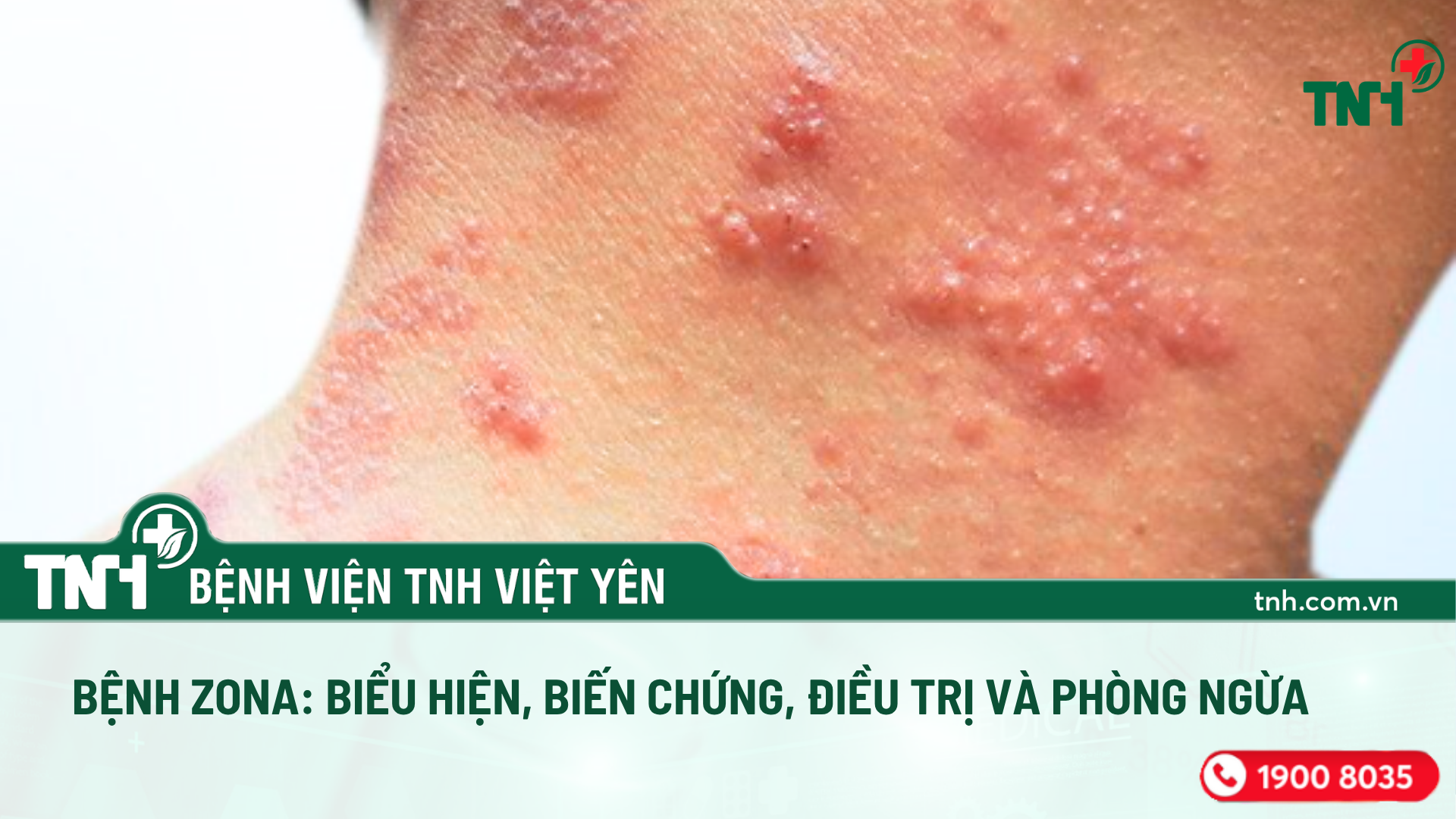
HERPES ZOSTER (SHINGLES) – EARLY RECOGNITION AND TIMELY TREATMENT TO PREVENT COMPLICATIONS
A common viral skin condition
Herpes zoster (shingles) is an acute skin infection caused by the Varicella Zoster Virus (VZV)—the same virus responsible for chickenpox. It is a relatively common viral skin disease, affecting approximately 1.5–3% of the population each year in Vietnam.
The condition is more common in middle-aged and older adults, especially those over 50. It also frequently occurs in individuals with weakened immune systems, such as those on long-term immunosuppressive therapy, undergoing chemotherapy, or living with HIV/AIDS.
1. Clinical manifestations
Shingles is characterized by both skin lesions and nerve pain:
- Skin lesions: Clusters of vesicles (fluid-filled blisters) or bullae appear along the distribution of an affected nerve. These lesions are typically localized to one side of the body.
- Pain and sensory changes: Patients may experience severe pain described as stabbing, sharp, throbbing, or deep aching. Increased sensitivity, tingling, or abnormal sensations may also occur in the affected area.
2. Possible complications
If not properly treated, shingles can lead to several complications:
- Postherpetic neuralgia (PHN): The most common complication, causing persistent pain that can significantly impact quality of life, including sleep disturbance, fatigue, poor concentration, and even depression. Pain may last for months or longer.
- Skin complications: Secondary bacterial infection, ulcers, necrosis, and scarring
- Systemic complications: Widespread lesions and potential involvement of internal organs
- Ramsay Hunt syndrome (rare): Causes acute facial nerve paralysis due to involvement of the geniculate ganglion (cranial nerve VII), accompanied by vesicles in the ear canal, outer ear, tongue, or soft palate
3. Treatment approach
Shingles should be diagnosed and treated as early as possible—ideally within the first 72 hours after onset—to shorten disease duration and reduce the risk of complications.
Treatment typically includes:
- Antiviral medications as prescribed by a doctor
- Pain relief medications to control symptoms
- Antibiotics if secondary infection is suspected
- Vitamin supplementation to support immune function
- Topical treatments depending on the stage of skin lesions
Patients are also advised to get adequate rest, especially if experiencing fever or complications.
4. Prevention
- Vaccination against shingles
- Maintaining a healthy lifestyle to strengthen immunity
Examination and consultation
Dermatology Department – TNH Viet Yen Hospital
📞 Hotline: 1900 8035
Working hours:
- Monday to Sunday
- Morning: 07:00 – 11:30
- Afternoon: 13:00 – 16:30
TNH Hospital System:
- TNH Viet Yen Hospital – Bac Ninh
- TNH Pho Yen Hospital – Thai Nguyen
- TNH Lang Son Hospital – Lang Son
- Thai Nguyen International Hospital – Thai Nguyen