







 Book an appointment
TNH LANG SON HOSPITAL PROVIDES TIMELY EMERGENCY TREATMENT FOR A PATIENT WITH GRADE II ANAPHYLAXIS FOLLOWING BEE STINGS IN THE FOREST
 Posted date: 16/10/2026
 Posted by: Nông Đức Thắng


Quick view of main content
Patient Develops Shortness of Breath and Dizziness Following Bee Stings
Bee Stings Can Cause Anaphylaxis and Other Serious Complications
Doctors' Recommendations: What to Do After a Bee Sting
TNH Lang Son Hospital Provides 24/7 Emergency Medical Services
CONTACT INFORMATION
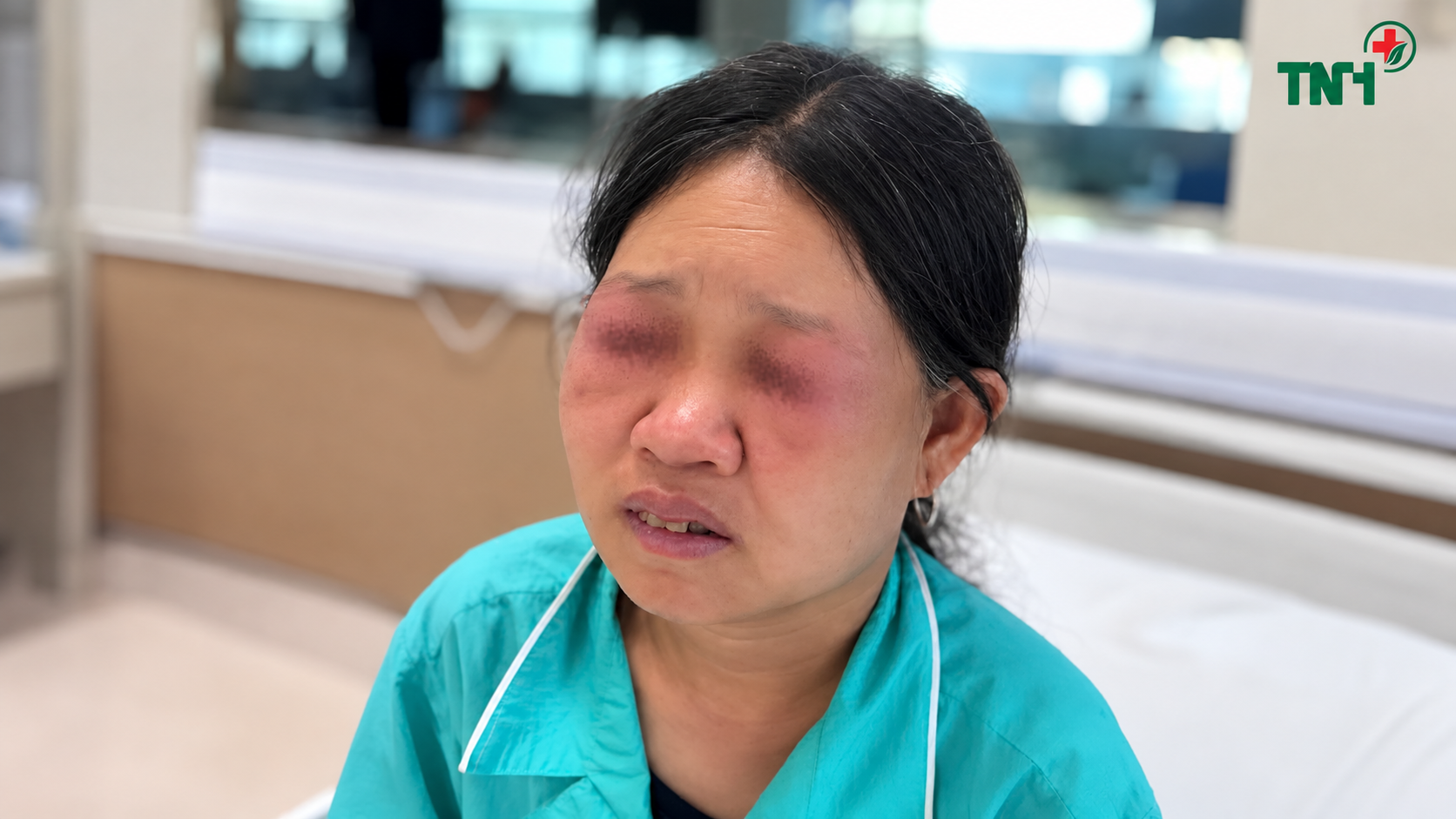
TNH Lang Son Hospital recently provided successful emergency treatment for a 51-year-old female patient who developed Grade II anaphylaxis after being stung by bees while walking in the forest. Notably, laboratory tests revealed muscle enzyme levels approximately 40 times higher than the normal upper limit, indicating a significant risk of severe muscle injury. Thanks to timely emergency intervention and appropriate treatment, the patient's condition stabilized, and she was subsequently discharged from the hospital.
Patient Develops Shortness of Breath and Dizziness Following Bee Stings
Recently, the Department of Emergency, Intensive Care and Poison Control at TNH Lang Son Hospital admitted a 51-year-old female patient who developed multiple concerning symptoms after being stung by bees.
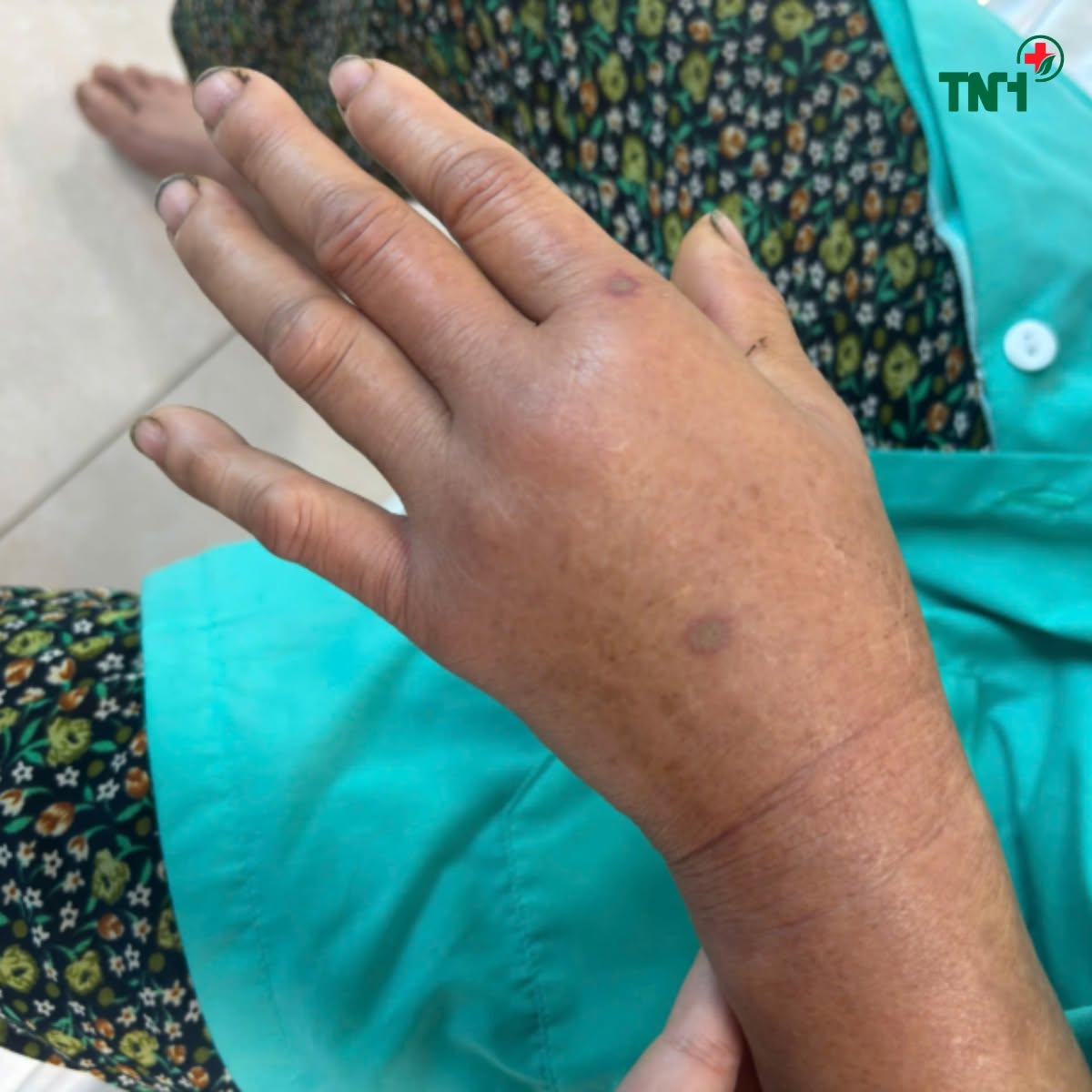
According to her family, the patient was walking in the forest when she was unexpectedly stung by bees on her head and both arms. Shortly afterward, she experienced dizziness, shortness of breath, and severe pain at the sting sites. Recognizing these unusual symptoms, her family promptly took her to TNH Lang Son Hospital for emergency medical care.
Upon admission to the Department of Emergency, Intensive Care and Poison Control, clinical examination revealed headache, swelling on the backs of her hands, chills, and intense pain at the sting sites.
Notably, laboratory results showed that muscle enzyme levels were approximately 40 times higher than the normal upper limit, raising concerns about severe muscle injury and potentially life-threatening complications if not promptly identified and managed.
Following a comprehensive assessment of the patient's clinical condition and laboratory findings, doctors diagnosed Grade II anaphylaxis caused by bee stings. Emergency treatment was immediately initiated, accompanied by close monitoring to control her condition and minimize the risk of serious complications.
Thanks to timely hospitalization, appropriate medical intervention, and dedicated care from the medical team, the patient's health gradually stabilized, and her symptoms improved significantly. After completing treatment, she met the medical criteria for discharge.
Bee Stings Can Cause Anaphylaxis and Other Serious Complications
According to doctors from the Department of Emergency, Intensive Care and Poison Control at TNH Lang Son Hospital, bee stings are relatively common accidents, particularly among people who frequently work outdoors, engage in agricultural activities, or travel through forested areas. However, many people underestimate their severity, assuming that bee stings only cause localized pain and swelling.
In fact, bee venom contains various substances that can trigger localized reactions, systemic allergic responses, or damage to internal organs. The severity of these reactions depends on several factors, including the type of bee, the number and location of stings, and the individual's sensitivity to venom.
Anaphylaxis is a severe systemic allergic reaction that can develop rapidly and become life-threatening. Symptoms may include hives, swelling, difficulty breathing, abdominal pain, vomiting, dizziness, or low blood pressure. Without immediate emergency treatment, anaphylaxis may progress to anaphylactic shock, respiratory failure, or cardiac arrest.
In addition, multiple bee stings or severe venom toxicity can lead to serious complications, including:
- Rhabdomyolysis: Damage and breakdown of muscle cells, releasing substances into the bloodstream that may impair kidney function.
- Acute kidney injury: May result from the toxic effects of bee venom, rhabdomyolysis, or circulatory disturbances.
- Multiple organ damage: In severe cases, bee venom can affect several vital organs, potentially threatening the patient's life.
Importantly, anaphylaxis can occur even after a single bee sting in individuals who are highly sensitive to venom. Therefore, early recognition of warning signs and prompt access to medical care are essential.
Doctors' Recommendations: What to Do After a Bee Sting
To minimize the risk of serious complications following bee stings, doctors from the Department of Emergency, Intensive Care and Poison Control at TNH Lang Son Hospital recommend the following measures:
First, move away from the area where bees are present. If attacked by bees, immediately seek a safe location to avoid additional stings. If a stinger remains embedded in the skin, remove it promptly using an appropriate method while avoiding squeezing any attached venom sac.
Second, clean the affected area. Gently wash the sting site with clean water and soap. Applying a cold compress may help reduce swelling and discomfort. Avoid scratching or applying excessive pressure to the affected area.
Third, recognize warning signs of a severe allergic reaction. If symptoms such as difficulty breathing, dizziness, swelling of the lips or tongue, fainting, or other unusual systemic reactions occur, call emergency medical services at 115 immediately. These symptoms may indicate anaphylaxis, which requires urgent medical intervention.
Fourth, seek medical attention after multiple bee stings. Even in the absence of severe initial symptoms, individuals who have sustained multiple stings should undergo medical evaluation and monitoring to detect potential venom toxicity and organ damage.
Fifth, avoid unverified home remedies. Do not apply herbal leaves, medications of unknown origin, or unproven traditional treatments to sting sites. Such practices may increase the risk of infection and delay necessary emergency treatment.
Doctors emphasize that rapid access to emergency medical care is crucial in managing anaphylaxis. Underestimating symptoms or delaying treatment can lead to rapid deterioration and potentially life-threatening consequences.
TNH Lang Son Hospital Provides 24/7 Emergency Medical Services
The case of the 51-year-old patient who developed Grade II anaphylaxis following bee stings serves as an important reminder of the potential health risks associated with seemingly minor accidents during everyday activities and outdoor work.
Early recognition of abnormal symptoms, prompt transportation to a medical facility, and appropriate emergency intervention played a vital role in achieving a positive treatment outcome.
Committed to improving healthcare quality and protecting community health, the Department of Emergency, Intensive Care and Poison Control at TNH Lang Son Hospital operates 24 hours a day, seven days a week, providing timely emergency assessment, treatment, and medical care for patients in critical conditions.
TNH Lang Son Hospital advises the public not to underestimate bee stings, particularly when symptoms such as difficulty breathing, dizziness, swelling, or severe pain occur. Seeking immediate medical attention is essential to preventing serious complications and protecting lives.
CONTACT INFORMATION
TNH LANG SON HOSPITAL
- Address: Block 10, Nhi Thanh Street, Tam Thanh Ward, Lang Son Province, Vietnam.
- Hotline: 1900 8035.
- Website: https://tnh.com.vn
TNH HOSPITAL GROUP JOINT STOCK COMPANY
Our Hospital Network:
- TNH Lang Son Hospital: Block 10, Nhi Thanh Street, Tam Thanh Ward, Lang Son Province, Vietnam.
- Thai Nguyen International Hospital: No. 328, Luong Ngoc Quyen Street, Phan Dinh Phung Ward, Thai Nguyen Province, Vietnam.
- TNH Pho Yen Hospital: Tran Nguyen Han Street, Chua Residential Group, Van Xuan Ward, Thai Nguyen Province, Vietnam.
- TNH Viet Yen Hospital: Nguyen The Nho Street, Viet Yen Ward, Bac Ninh Province, Vietnam.