







 Book an appointment
PAEDERUS DERMATITIS: SIGNS, TREATMENT, AND PREVENTION
 Posted date: 20/08/2026
 Posted by: Nông Đức Thắng


Quick view of main content
Signs of Paederus Dermatitis
What Should You Do After Contact With a Paederus Beetle?
How to Prevent Paederus Dermatitis
How Long Does Paederus Dermatitis Take to Heal?
TNH Hospital Network
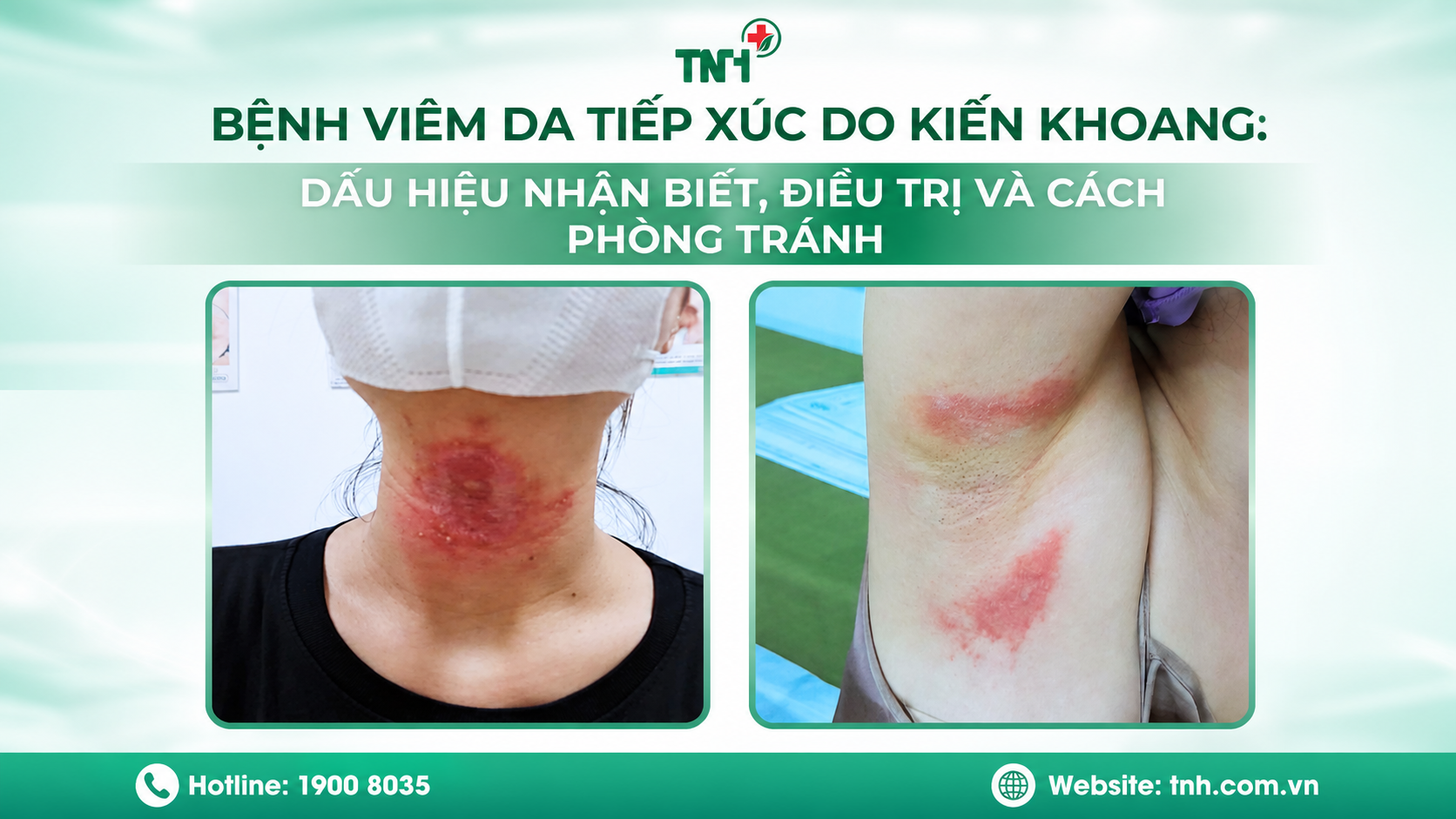
During the rainy season, Paederus beetles tend to become more prevalent, particularly in areas with bright lights at night. These insects do not bite or sting humans. However, their body fluids contain paederin, a potent toxin that can cause skin irritation and inflammation upon contact.
When a Paederus beetle is crushed, rubbed, or brushed against the skin, paederin may be released, causing irritant contact dermatitis, commonly known as Paederus dermatitis. Symptoms may include redness, burning sensations, blisters, or pustules. Early recognition and appropriate management are important to prevent the lesions from spreading and reduce the risk of secondary infection.
Signs of Paederus Dermatitis
Skin lesions caused by Paederus beetles commonly occur on exposed areas of the body, such as the face, neck, arms, hands, and legs, where contact with the insect is more likely.
Initially, the affected area may become red and slightly swollen, sometimes resembling a scratch or a linear streak. Within several hours to about one day, blisters or pustules may develop, accompanied by burning, itching, and discomfort.
A relatively characteristic feature of Paederus dermatitis is the “kissing lesion.” This occurs when toxin-contaminated skin comes into contact with another area of the body, resulting in matching or symmetrical lesions on opposing skin surfaces.
If the affected area is extensive or develops a secondary infection, the patient may experience increased pain and swelling. In some cases, systemic symptoms such as fever and fatigue may also occur.
What Should You Do After Contact With a Paederus Beetle?
If you notice a Paederus beetle on your skin or suspect that your skin has come into contact with its body fluids, prompt and appropriate care may help reduce the severity of the reaction.
The following measures are recommended:
- Wash the affected area promptly with clean water or 0.9% normal saline.
- Do not scratch, rub, or repeatedly touch the affected skin, as this may spread the toxin to other areas.
- After cleaning the affected area, wash your hands thoroughly and avoid touching your eyes or other parts of your body.
- Do not use unproven home remedies, such as applying sticky rice, mung beans, herbal leaves, toothpaste, or other substances to the affected skin. These practices may worsen irritation and increase the risk of infection.
- If the lesions become severe, spread extensively, or cause significant pain or burning, seek medical attention for proper assessment.
Depending on the location, extent, and severity of the lesions, a doctor may recommend appropriate skin care, topical medication, or systemic treatment. Patients should avoid self-medicating without professional medical advice.
How to Prevent Paederus Dermatitis
Paederus beetles are attracted to light, so the risk of contact may increase at night, particularly during the rainy season. Several preventive measures can help reduce the likelihood of these insects entering living spaces or coming into contact with the skin:
- Keep doors and windows closed or use curtains and insect screens, particularly when lights are turned on at night.
- Check and shake out clothing, bedding, face towels, and bath towels before use.
- Keep living areas clean to help reduce conditions that attract or harbor insects.
- If a Paederus beetle lands on your skin, do not crush, slap, or rub it with your bare hands.
- Gently blow the beetle away or use paper, gloves, or another suitable object to remove it.
- If you suspect contact with the beetle's body fluids, wash the affected skin promptly with clean water and avoid touching the area unnecessarily.
How Long Does Paederus Dermatitis Take to Heal?
When detected early and managed appropriately, Paederus dermatitis generally improves and may heal within approximately 7–10 days. However, recovery time can vary depending on the severity and location of the lesions and the individual's condition.
Medical attention should be sought if the lesions spread extensively, develop multiple blisters or pustules, cause severe pain or burning, show signs of infection, or are accompanied by fever or fatigue. Prompt medical evaluation is also recommended when lesions occur in sensitive areas, particularly around the eyes.
Patients should avoid relying on home remedies when unusual skin lesions appear. Early medical assessment can help determine the cause, distinguish Paederus dermatitis from other skin conditions, and ensure appropriate treatment.
If you experience symptoms suggestive of Paederus dermatitis, you can visit the Department of Dermatology at TNH Viet Yen Hospital for timely examination, consultation, and treatment.
TNH HOSPITAL GROUP JOINT STOCK COMPANY
Hotline: 1900 8035
Website: https://tnh.com.vn
TNH Hospital Network
TNH Viet Yen Hospital
Nguyen The Nho Street, Viet Yen Ward, Bac Ninh.
Thai Nguyen International Hospital
328 Luong Ngoc Quyen Street, Phan Dinh Phung Ward, Thai Nguyen.
TNH Lang Son Hospital
Block 10, Nhi Thanh Street, Tam Thanh Ward, Lang Son.
TNH Pho Yen Hospital
Tran Nguyen Han Street, Chua Residential Group, Van Xuan Ward, Thai Nguyen.